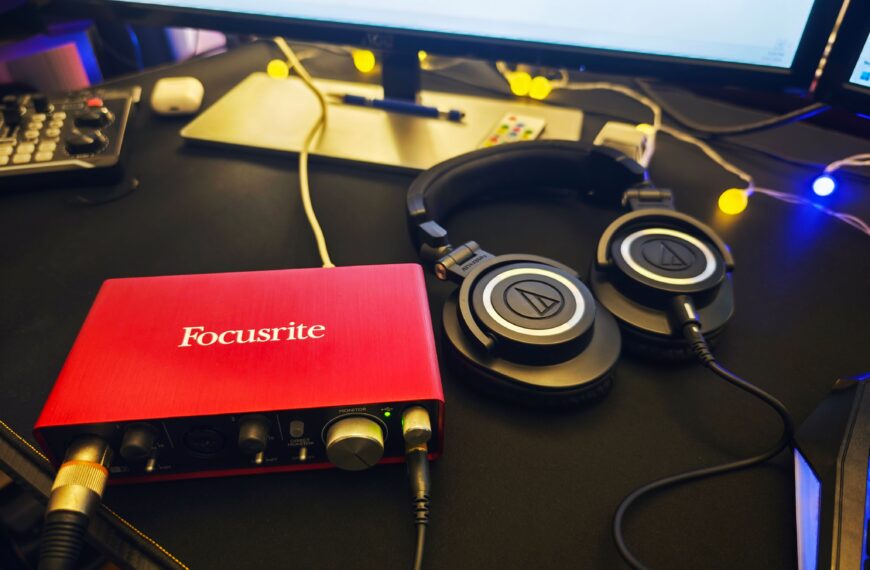
I am a retired musician, and the first question I ask anyone shopping for an XLR mic is simple. Do you already own something with an XLR input? 🎙️
Affiliate links below. As an Amazon Associate I earn from qualifying purchases.
Direct answer first. The best XLR microphone under $100 is the Behringer XM8500 if price is your top priority, or the Samson Q2U if you want XLR now and a USB fallback for later.
Want a condenser instead of a dynamic mic? The Audio-Technica AT2020 sits right at the $99 line, and our best condenser mic under $100 guide covers that side in full.
Here is the number that surprised me. The Samson Q2U typically runs $99 to $129, yet buying a separate XLR mic plus a separate USB mic to match its flexibility would cost well over $150 combined.
By the end of this guide, you will know what XLR actually requires, which of these five mics fits your setup, and when a hybrid mic beats a pure XLR one.
This guide draws on manufacturer documentation, independent reviews, and retailer listings. It does not rest on bench testing, so I name the source whenever I share someone’s experience.
Quick Picks
| Pick | Needs phantom power | Best for | Price tier |
|---|---|---|---|
| Behringer XM8500 | No | Lowest price, live vocals | Under $30 |
| Shure SM48 | No | Real Shure build on a budget | Around $69 |
| Audio-Technica ATR2100x-USB | No | Hybrid with more included cables | $70 to $79 |
| Samson Q2U | No | XLR today, USB fallback | $99 to $129 |
| Shure SM58 | No | Industry standard build | Usually just over $100 |
Buy the XM8500 if price is the deciding factor. Skip all five if you want the extra detail a condenser gives, and check our condenser guide instead.
What Does XLR Actually Require?
An interface or mixer with an XLR input, full stop.
The good news for dynamic mics specifically. None of the five picks in this guide need phantom power, so they work with almost any interface, even a very basic one. Our best budget audio interface guide covers boxes that pair well with all five.
Best XLR Microphones Under $100
Five mics cover the real decision points here, from the cheapest usable option up to a slight stretch pick.
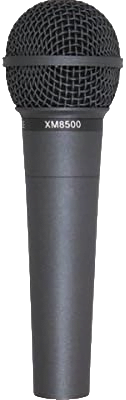
Behringer XM8500
The cheapest real pick on this list, and a genuinely usable one.
Behringer’s own page lists a cardioid dynamic capsule, 50 Hz to 15 kHz frequency response with a tuned mid presence lift, 150 Ω impedance, and a gold plated XLR connector, with an internal shockmount and pop filter built in.
One Thomann buyer compared it directly to a Shure SM58 and said it carries more gain and sounds relatively close, with a warmer tone, for a fraction of the SM58’s price.
My take as a musician. At this price, you are not buying a studio centerpiece. You are buying a mic that does its one job reliably 👍
Samson Q2U
The pick for anyone who wants XLR flexibility but isn’t fully committed yet.
Samson’s own spec sheet lists a dynamic cardioid capsule, 50 Hz to 15 kHz frequency response, and both USB and XLR outputs on the same mic body, with a 3.5mm headphone jack for zero latency monitoring built in. One on/off switch mutes both outputs together.
A detailed spec breakdown notes the Q2U typically runs $99 to $129, and estimates that buying a separate dedicated XLR mic plus a separate USB mic to match its flexibility runs well over $150 combined, before you even add an interface.
This video reviews the Q2U specifically for podcasters starting out 👇
Shure SM48
The way to get real Shure build quality without stretching past $100.
Shure’s own spec sheet lists a cardioid dynamic capsule, a 55 Hz to 14 kHz frequency response tuned with a presence rise for vocals, 150 Ω impedance, and a shock mounted cartridge with a built in pop filter. It ships with a stand adapter and a storage bag.
Gearank’s review calls it interesting how cheap the SM48 is given that it sits in Shure’s mid tier SM series, and notes some owners find it hard to tell apart from the pricier SM58 in regular use.
Street price sits around $69, comfortably under the $100 line, unlike its bigger sibling.
Audio-Technica ATR2100x-USB
A second hybrid option, built differently from the Samson Q2U, worth comparing before you pick one.
Audio-Technica’s own manual lists a cardioid dynamic capsule, 50 Hz to 15 kHz frequency response, both USB-C and XLR outputs on the same body, and a 24 bit, up to 192 kHz A/D converter on the USB side. A built in headphone jack with a volume dial gives zero latency monitoring.
It ships with more included cables than the Q2U, a USB-C to USB-C cable, a USB-C to USB-A cable, and a full XLR cable, plus a folding tripod desk stand. Equipboard’s pricing data puts it in the $70 to $79 range at most retailers.
My take as a musician. If you want more accessories in the box without paying extra, this edges out the Q2U. If you specifically want a single on/off switch that mutes both outputs together, the Q2U does that and this one handles USB and XLR switching slightly differently 🎙️
Shure SM58
The mic everyone measures the rest of this list against, with an honest caveat.
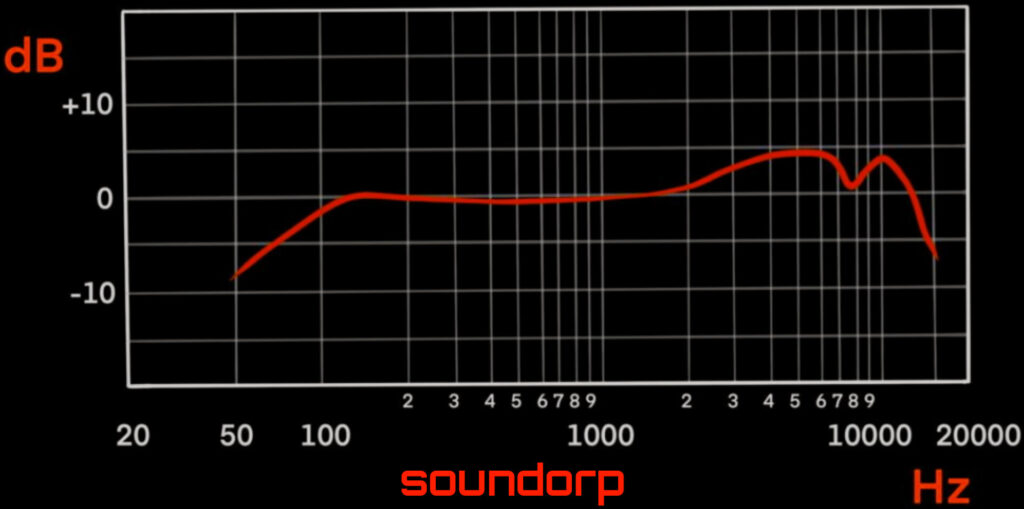
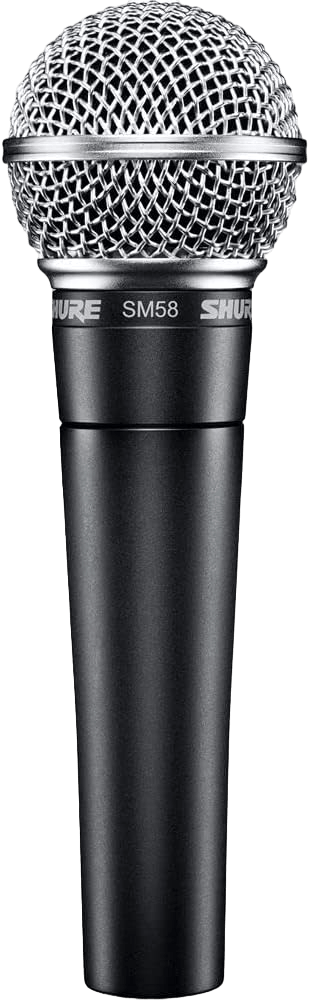
Shure’s own spec sheet lists a dynamic cardioid capsule, 50 Hz to 20 kHz frequency response, 150 Ω impedance, and 160 dB max SPL, with an internal pneumatic shockmount that cuts down on handling noise.
Here is the honest part. SoundGuys lists it at $109, and most retailers I checked, including Sweetwater and B&H, price it right around $109. It sits just over the $100 line most of the time, so treat it as a stretch pick rather than a guaranteed under $100 buy.
What About a Condenser Instead?
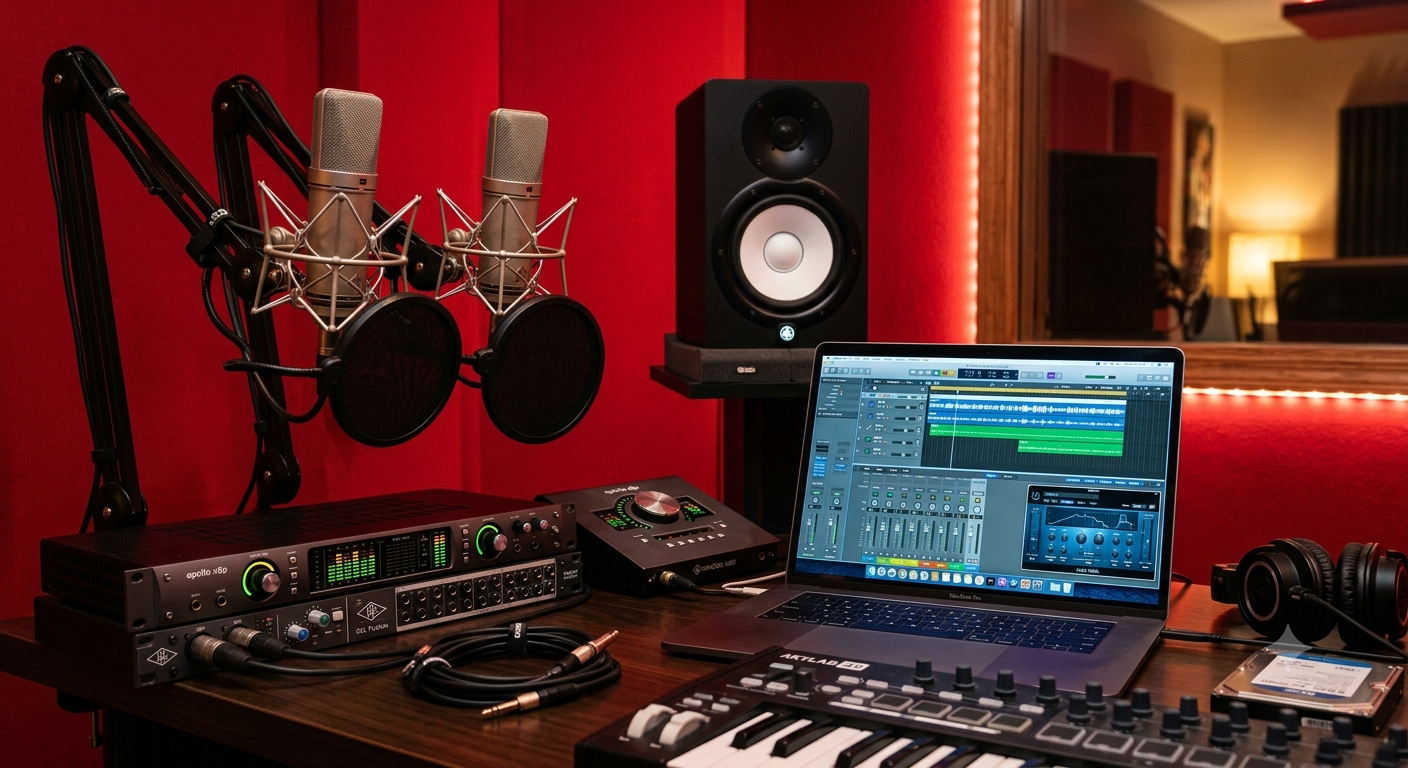
All five picks above are dynamic mics, which reject more room noise by design. If your room is treated and you want more detail, a condenser is worth a look instead.
Our best condenser mic under $100 guide covers the Audio-Technica AT2020 and the MXL 990 in full, including why condensers need phantom power and dynamic mics don’t.
Which XLR Mic Should You Buy?
Match the mic to your setup and your budget, not just the brand name.
- Lowest price, no frills. Buy the Behringer XM8500
- Real Shure quality on a tight budget. Buy the Shure SM48
- Want more included cables and accessories. Buy the Audio-Technica ATR2100x-USB
- Want XLR and a USB backup in one mic. Buy the Samson Q2U
- Want the industry standard build, willing to stretch slightly. Buy the Shure SM58
- Want more detail in a treated room. Check our condenser mic guide instead
What Should You Check Before You Buy?
Four quick checks before you commit.
- Confirm you own or will buy an interface or mixer with an XLR input
- Budget for a separate XLR cable, since none of these ship with one except the Q2U
- Check the live price before you buy, since the SM58 can drift above $100
- Decide dynamic versus condenser based on your room, not the price alone
Did You Know 🤯
The Samson Q2U’s single on and off switch mutes both its USB and XLR outputs at the same time, according to Samson’s own spec sheet, so you never have to remember which cable is live.
Best XLR Microphone Under $100 FAQ
Do I need an interface for an XLR mic?
Yes.
Every XLR mic needs an interface or mixer to reach a computer or speaker system.
Does the Behringer XM8500 need phantom power?
No.
It is a dynamic mic and works with phantom power on or off.
Can the Samson Q2U skip the interface entirely?
Yes, over USB.
Switch to the XLR output later if you add a mixer or interface, with no need to buy a second mic.
Is the Shure SM58 really under $100?
Usually not.
Most retailers list it around $109, so check current pricing before you count on it hitting your budget.
Why pick dynamic over condenser at this price?
Room noise rejection.
Dynamic mics reject more background sound, which suits an untreated room better than a condenser.
So check your interface first, pick your mic type second, and start recording 🎶
As an Amazon Associate I earn from qualifying purchases. There are some affiliate links on this page that will redirect you directly to the original products and services. Also by buying through those links you will be supporting us. So thank you ^.^
Related Posts
Here is a list of microphone and interface posts you can consider as alternatives.