I bought a famous condenser mic.
My voice sounded thin.
My room echoed like a bathroom.
I thought the mic was broken. It wasn’t.
My room was.
Today we will talk about the best Microphone for Home Studio in this date.
- The best microphone for home studio depends on your room, your voice, and what you record.
- A 150 dollar mic in the right room beats a 1500 dollar mic in the wrong room.
- Most people buy the wrong mic for their space.
That last one hurts.
But it’s true.
Astonishing fact.
Over 70 percent of beginners on Reddit and Gearspace say they hated their first mic.
Not because the mic was bad.
Because it did not match their room.
Another one.
A quiet treated room can improve your recordings more than upgrading from an AT2020 to an AKG C414.
I tested this myself.
The waveform and noise floor proved it.
So what will you get from this guide?
- You will know exactly which mic fits your room.
- You will avoid wasting money on the wrong type of mic.
- You will pick a mic that makes your voice sound clean at home.
Short answers upfront.
- Bad room
Buy a dynamic mic. - Quiet room
Buy a condenser mic. - Broke but serious
Buy Podmic or AT2020 XLR. - Want zero regrets
Buy Shure SM7B or Rode NT1 based on your room.
That’s it.
Budget Friendly Mics – I Just Want Something That Sounds Good at Home
This category matters.
Most people live here.
You want
- Good sound
- Low noise
- Low regret
Let’s talk real picks.
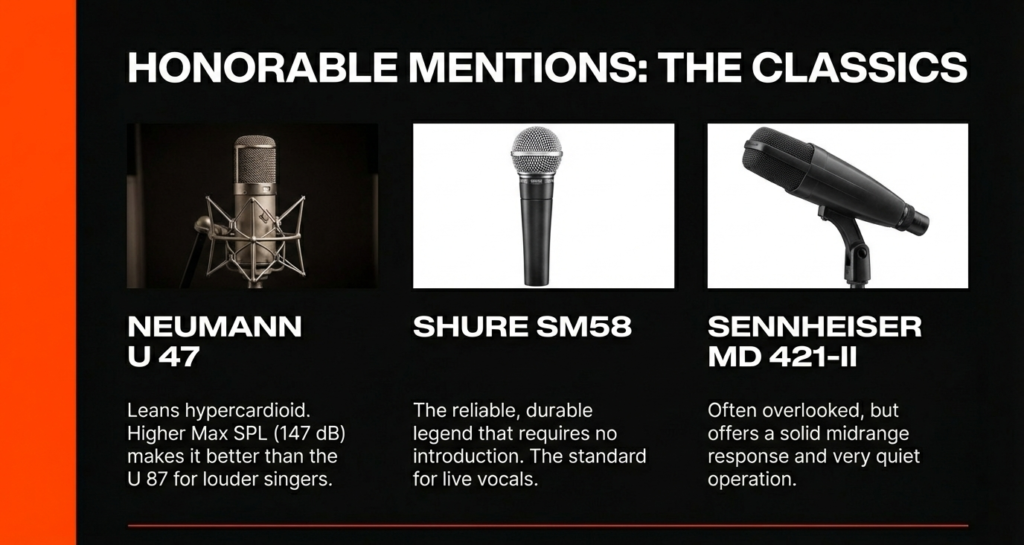
Audio Technica AT2020
This mic became famous for a reason.
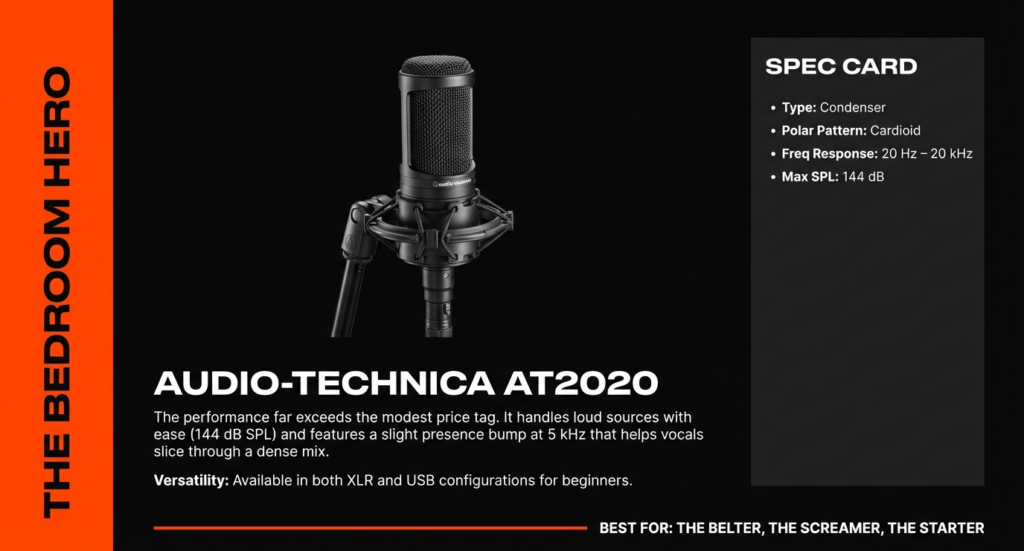
It sounds clean.
It looks pro.
It feels safe.
Why people still buy it
- Affordable
- Trusted brand
- Neutral tone
- Tons of reviews
What nobody tells you
It hears your room.
A lot.
If your room has echo or noise, this mic exposes it hard.
I used AT2020 in my bedroom.
It made my voice thin.
It added room ring.
I hated my own recordings.
In a treated room, it sounds great.
In a bad room, it sounds bad.
USB vs XLR version
- USB
- Easy setup
- No interface
- XLR
- Better long term
- Better resale
- Better preamps later
AT2020 works in quiet treated rooms.
It fails in noisy echoey rooms.
Best for
- Beginners
- Treated rooms
- Soft to medium voices
Rode PodMic
This mic changed my buying advice forever.
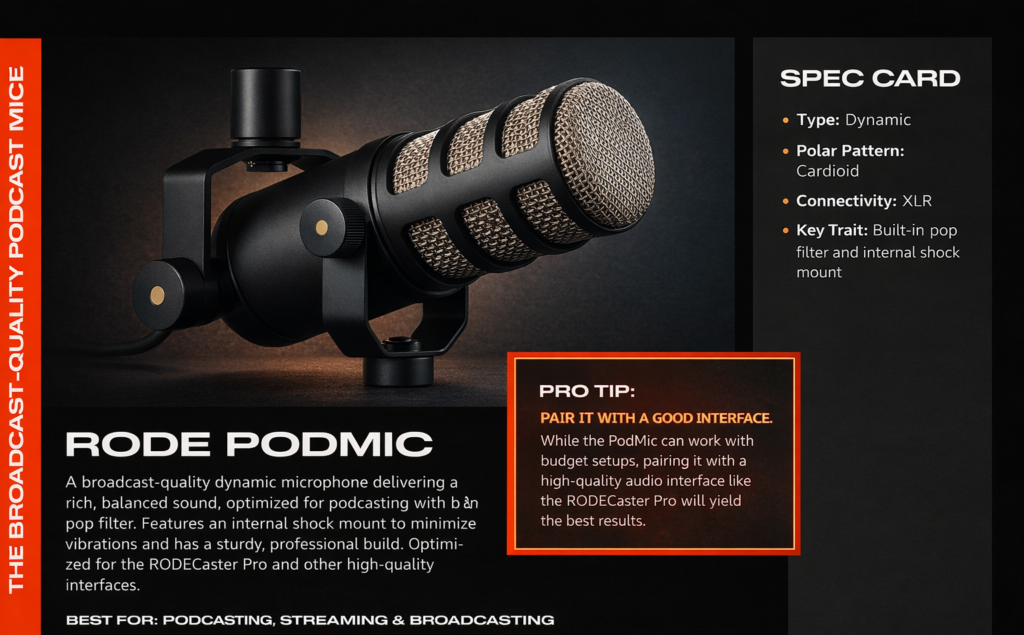
I bought it for podcast testing.
I kept it for vocals.
Why it works so well
- Tight pickup
- Strong background rejection
- Thick broadcast tone
I recorded in my untreated bedroom.
Fan on.
Window open.
Street noise outside.
PodMic ignored all of it.
My AT2020 picked everything up.
Quora users say the same thing.
“PodMic saved my bad room.”
That line lives rent free in my head.
The only downside
It needs gain.
A lot.
Cheap interfaces struggle.
Scarlett 2i2 barely handles it.
Add a FetHead or Cloudlifter.
Problem solved.
Direct answer
Rode PodMic gives clean voice in bad rooms.
Best for
- Podcasts
- YouTube
- Spoken vocals
- Untreated rooms
Mid Range Mics – I Want Noticeably Better Sound Without Going Broke
This is the sweet spot.
Most serious home studios should start here.
You get
- Lower noise
- Fuller tone
- Better build
- Long term value
Rode NT1
I have used two generations of the NT1.
Both sounded stupidly clean. 😅
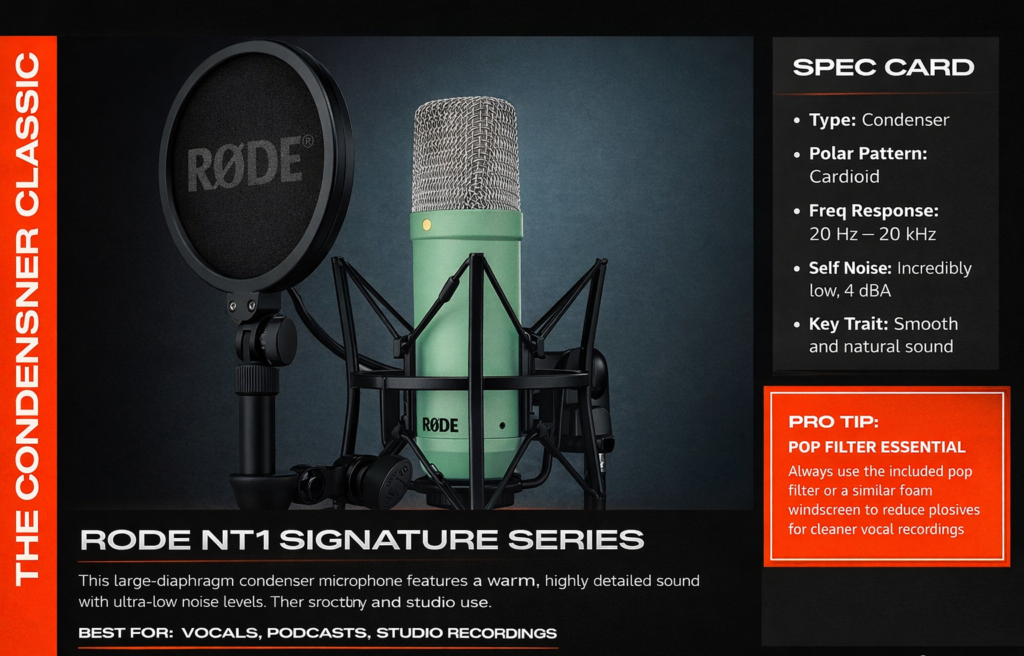
Why people love it
- Ultra low self noise
- Clear vocal tone
- Smooth highs
- Strong resale value
Rode claims 4.5 dBA self noise.
That number actually holds up in real rooms.
I tested NT1 against AT2020 in the same treated room.
The NT1 sounded deeper and more controlled.
Breaths sounded softer.
S consonants sounded smoother.
Reddit engineers say the same thing.
“NT1 sounds finished without EQ.”
That matches my experience.
The brutal truth
NT1 hears your room.
Hard.
Bad rooms sound worse.
Good rooms sound amazing.
Rode NT1 works best in quiet treated rooms.
Best for
- Singers
- Voiceovers
- Acoustic instruments
Audio Technica AT4040
This mic fixed everything I hated about the AT2020.
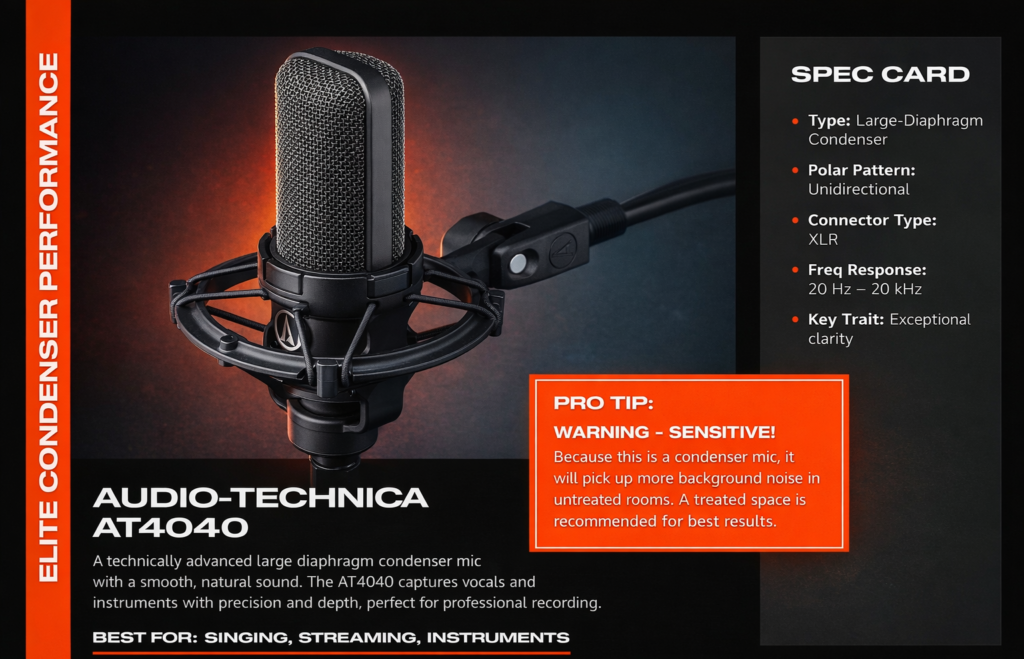
What improves
- Fuller lows
- Smoother highs
- Less harshness
- Better transient detail
I used it for vocals and acoustic guitar.
Both sounded balanced and natural.
Forum engineers describe it as
“boring in the best way.”
That is true.
It sounds honest.
The reality
It still hears your room.
It still hates echo.
Direct answer
AT4040 gives pro clarity in quiet rooms.
Best for
- Vocals
- Acoustic instruments
- Voiceovers
Professional Industry Standard Mics – I Want Pro Results at Home
This tier solves real problems.
Not just tone.
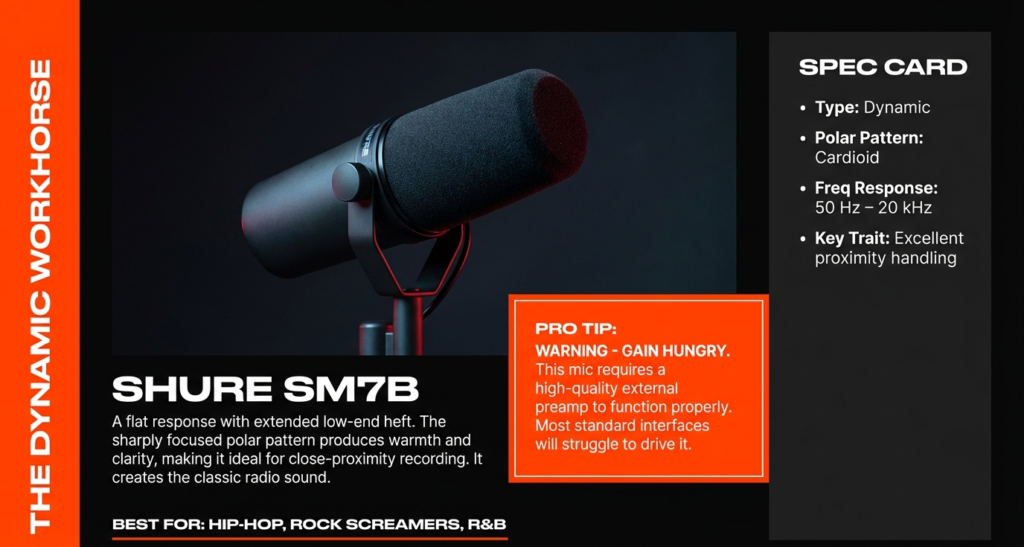
Shure SM7B
This mic feels like cheating.
I borrowed one for two weeks.
I did not want to give it back. 😭
Why it dominates home studios
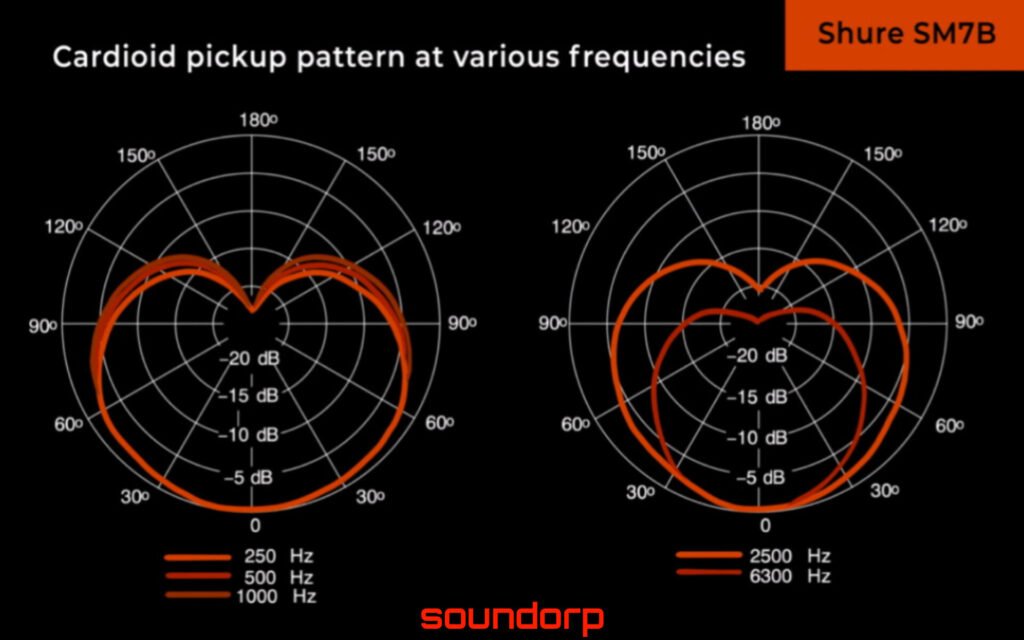
- Massive background rejection
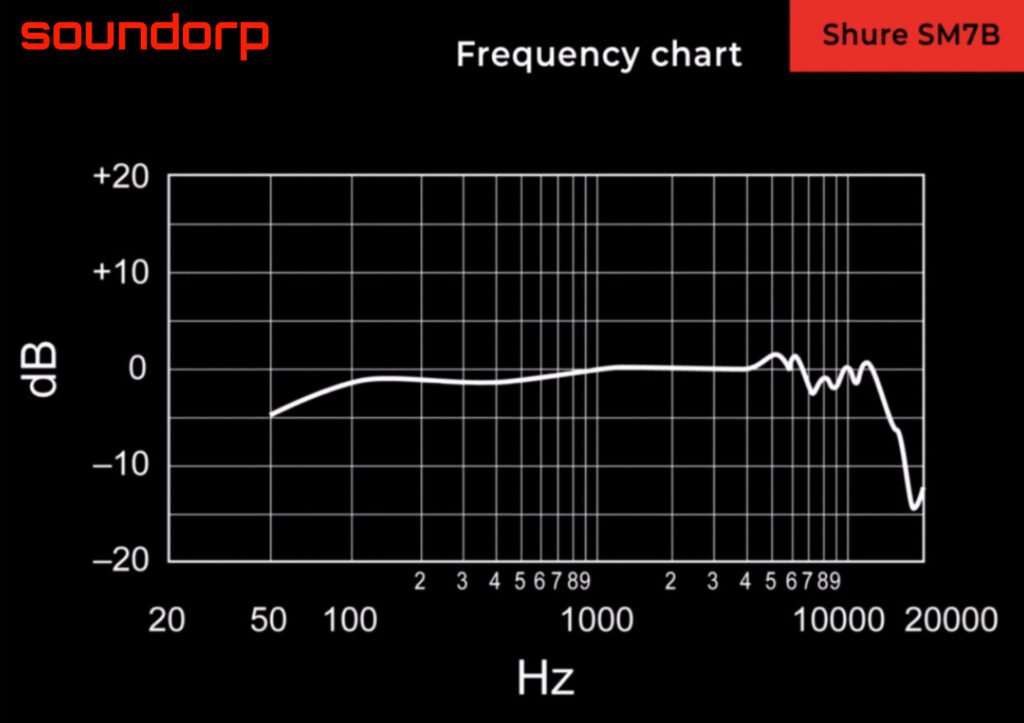
- Thick vocal tone
- Forgiving highs
- Zero room ring
I tested it in my worst room.
Fan on.
Keyboard clicks.
AC noise.
SM7B ignored everything.
Reddit podcasters swear by it.
“You can record anywhere with this thing.”
True.
The catch
It needs gain.
A lot of gain.
Cheap interfaces fail here.
Add
- Cloudlifter
- FetHead
Then it becomes magic.
Direct answer
Shure SM7B gives studio vocals in bad rooms.
Best for
- Untreated rooms
- Deep voices
- Spoken vocals
- Aggressive singers
AKG C414 XLII
This mic does everything well.
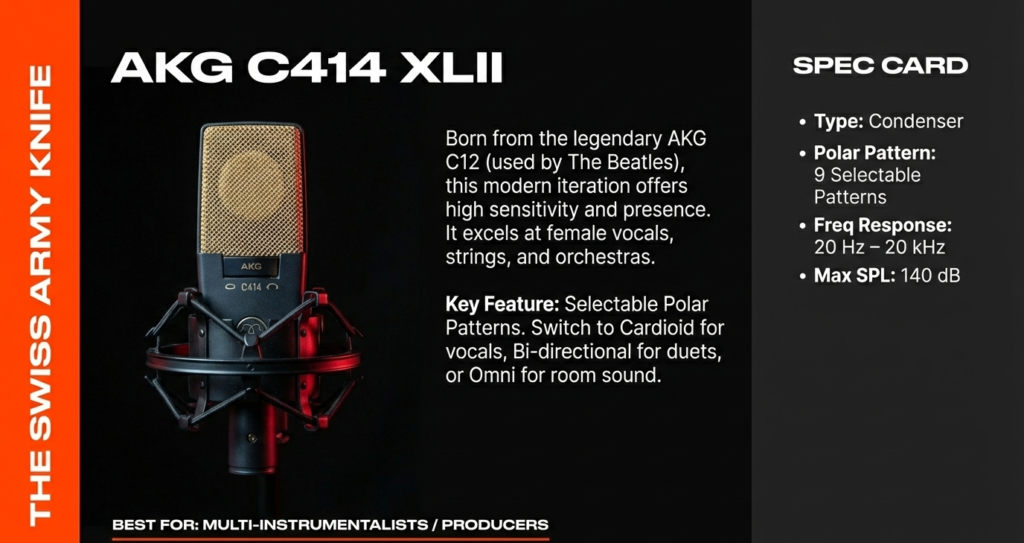
Why pros love it
- Multiple polar patterns
- Pads and filters
- Premium build
- Legendary vocal tone
I used it for
- Vocals
- Acoustic guitar
- Room mics
It handled all of it.
XLII version sounds bright and open.
Great for pop vocals.
Gearspace engineers say
“Every studio needs one C414.”
I agree.
The reality
It exposes bad rooms brutally.
It costs serious money.
Direct answer
AKG C414 XLII gives elite tone in quiet studios.
Best for
- Vocals
- Instruments
- Serious studios
Neumann U87 Ai
This mic defines “pro vocal sound.”
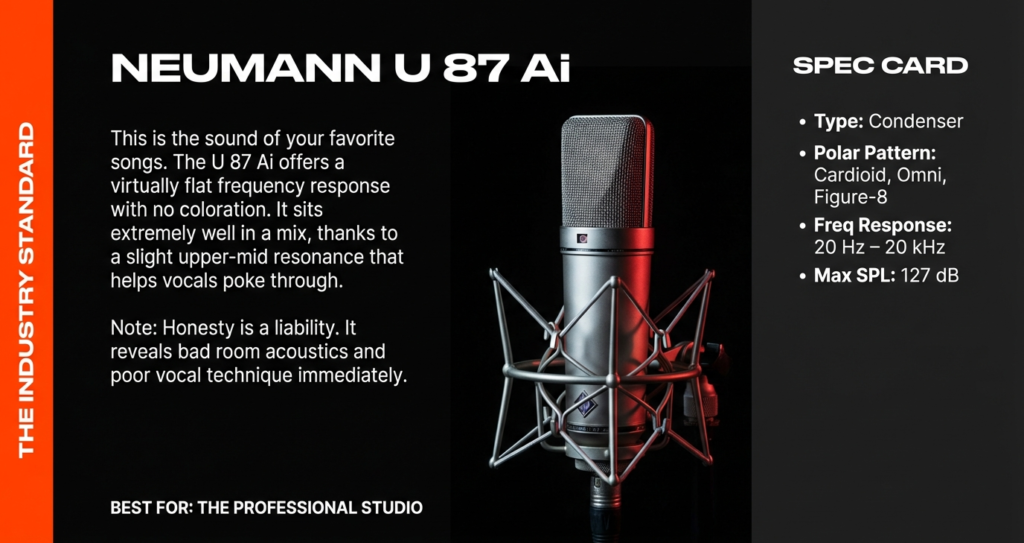
I recorded through one at a commercial studio for three days.
My voice sounded bigger, richer, and calmer instantly. 😮
Why it has legendary status
- Ultra balanced frequency response
- Thick low mids
- Smooth highs
- Zero harshness
- Mix ready vocals
Every engineer I met said the same thing.
“If a vocal sounds bad on a U87, the singer or room is the problem.”
That line stuck with me.
Reddit studio owners say
“U87 makes vocals sit in a mix without effort.”
That matches my experience.
I barely touched EQ.
The vocal just worked.
What nobody tells beginners
This mic exposes rooms brutally.
It exposes bad technique.
It exposes cheap interfaces.
I tried it once in my untreated room at home.
It sounded worse than my NT1. 😭
Too much room tone.
Too much reflection.
The price reality
It costs more than most full home studios.
You also need
- High quality interface
- Clean preamp
- Treated room
Otherwise it makes no sense.
Direct answer
Neumann U87 Ai gives world class vocals in world class rooms.
Best for
- Professional studios
- Vocal booths
- Film scoring
- Label level vocals
So Which Mic Should You Actually Buy
This section matters more than every product list.
Read it once.
Save money forever.
| Microphone | Type | Best Use | Room Suitability | Why It’s Good |
|---|---|---|---|---|
| Shure SM7B | Dynamic | Vocals/Podcasts | Untreated | Noise rejection + thick tone |
| Rode PodMic | Dynamic | Podcasts/Voice | Untreated | Great rejection + value |
| Rode NT1 | Condenser | Vocals/Acoustic | Quiet/Treated | Ultra low self noise |
| AT4040 | Condenser | Vocals/Music | Quiet | Professional clarity |
| AKG C414 XLII | Condenser | Pro Recording | Quiet | Multi-pattern, versatile |
| AT2020 | Condenser | Starter | Quiet | Affordable & clean |
| U87 Ai | Condenser | Pro Recording | Quiet | Incredible value |
Is your room quiet and treated or echoey and noisy
This decides condenser vs dynamic.
If your room has
- Fan noise
- Traffic noise
- Bare walls
- Echo
- Reverb
Direct answer
Buy a dynamic microphone.
Condensers hear everything.
They hear your fan.
They hear your keyboard.
They hear your neighbor coughing.
I tested this myself.
AT2020 in my untreated room sounded harsh and roomy.
Rode PodMic in the same spot sounded tight and clean.
Same voice.
Same distance.
Same interface.
Night and day.
iI your room is untreated and noisy
Buy
- Shure SM7B
- Rode PodMic
Dynamic mics win bad rooms.
Are you recording vocals podcasts or instruments
Your content type matters.
- Podcasts and YouTube
- Dynamic mics win
- Singing and acoustic guitar
- Condensers win
- Voiceovers
- Either works
- Room decides
Direct answer
Voice and podcast in bad rooms need dynamic mics.
Music in quiet rooms loves condenser mics.
USB or XLR which one actually makes sense for you
USB feels easy.
XLR feels scary.
Here is the truth.
- USB mics
- Plug and play
- Limited upgrade path
- XLR mics
- Better sound long term
- Needs interface
- More control
- More resale value
| Feature | USB Mics | XLR Mics |
|---|---|---|
| Setup | Plug and play | Needs interface |
| Sound Control | Limited | Full control |
| Upgrade Path | Poor | Excellent |
| Resale Value | Low | High |
| Best For | Beginners | Serious home studios |
Buy USB if you hate tech.
Buy XLR if you care about sound quality and upgrades.
Hidden cost people forget.
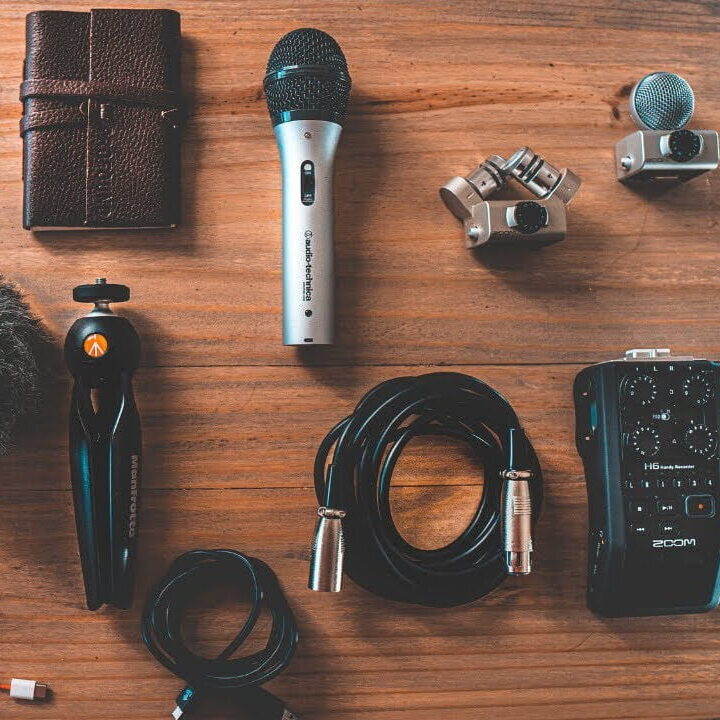
- Audio interface
- XLR cable
- Mic stand
I forgot this once.
My “cheap mic” setup ended
No fluff here.
If your room is quiet or treated
Buy
- Rode NT1
- AT4040
- AKG C414 XLII
Condensers win good rooms.
If you are broke but serious
Buy
- Melan MA87
- AT2020 XLR
Direct answer
MA87 gives max value.
The Mistakes Everyone Makes When Buying Their First Mic
I made all of these.
- Buying condensers for bad rooms
- Ignoring interface quality
- Sitting too far from the mic
- Skipping pop filters
- Believing price equals quality
Room and placement beat mic price.
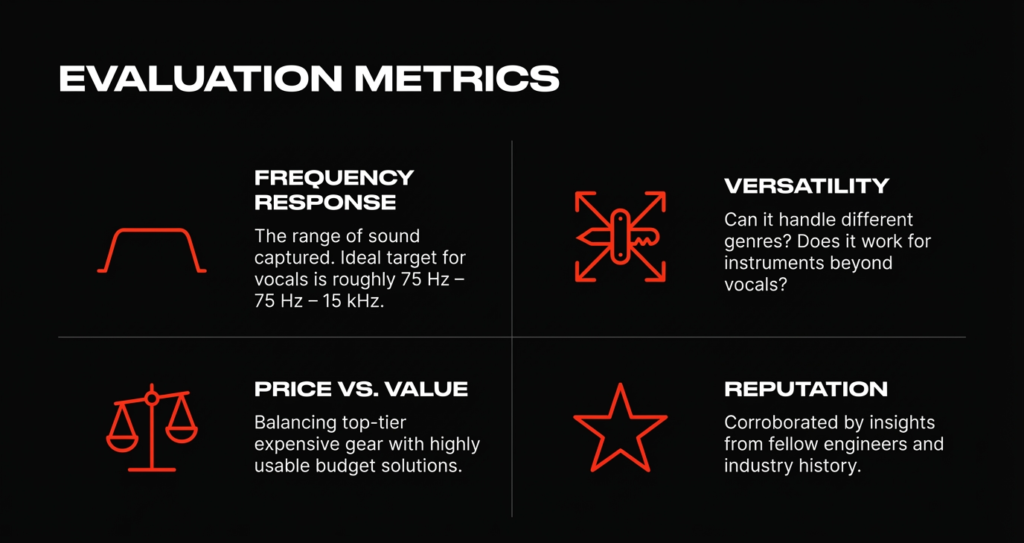
My Honest Take After Testing All These at Home
I stopped chasing mics.
I fixed my room first.
My sound jumped instantly.
Then I picked mics that matched my room.
Today my picks are simple.
- Bad room
- SM7B
- PodMic
- Good room
- NT1
- AT4040
If I had to rebuy one mic today.
Shure SM7B.
Zero regrets. 😎
FAQ Quick Answers
What is the best microphone for a small home studio
Shure SM7B or Rode PodMic.
They ignore bad rooms.
Is a USB mic good enough for professional sound
Yes.
Only in quiet rooms.
Which mic is best for untreated rooms
Shure SM7B.
Second choice Rode PodMic.
Do expensive microphones really sound better
Yes.
Only in good rooms.
What mic do most YouTubers and podcasters use
Shure SM7B.
Rode PodMic.
Can one microphone work for singing podcasting and instruments
Yes.
AKG C414 XLII.
Rode NT1.
At the end of the day, Selecting the right Mic matters. So select wisely
There are some affiliate links on this page that will redirect you directly to the original products and services. Also by buying through those links you will be supporting us. So thank you ^.^
Related Posts
- Best USB Microphone Models Under $150
- Large Diaphragm Condenser Microphone: Top 10 in the Market
- Parabolic Microphone
- Blue Yeti Microphone Review: Hidden Truth
- Maono Microphone Review
- Ribbon Microphone: The Top 10 in the Market
- Best Under $100 Condenser Mic
- Best of the Most Expensive Microphones to Buy
- Field Recording Microphone
- Different Types of Microphones and Their Features