Most people pick a microphone the wrong way.
They look at price.
They look at YouTube hype.
They copy what their favorite creator uses.
That mistake costs sound quality, time, and money.
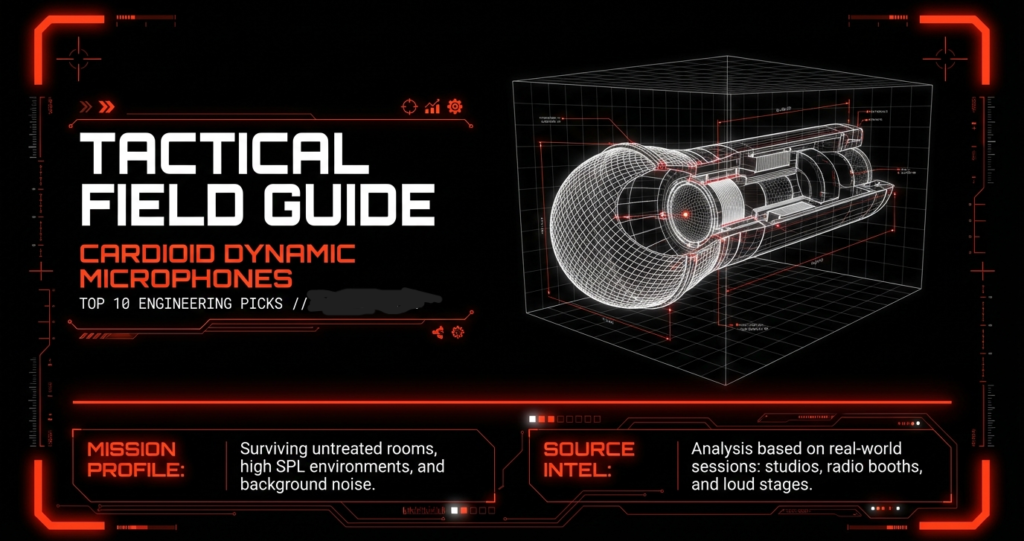
Cardioid dynamic microphones win in real rooms.
I learned this after ruining multiple vocal takes with condensers in untreated spaces. Traffic noise. Fan noise. Room echo. I switched to a dynamic mic and the problems stopped instantly.
This article gives you clarity.
You will know which cardioid dynamic microphone to buy, why professionals trust it, and where each mic actually performs best.
Did You Know
The Shure SM58 has sold over 12 million units worldwide and still appears on major stages every night.
Another one.
Radio stations that upgrade gear often keep the Electro Voice RE20 unchanged for decades.
That is not nostalgia.
That is reliability.
I have recorded vocals, drums, guitars, and spoken word with these microphones in studios and bedrooms. I have mixed tracks where these mics saved bad rooms and weak interfaces.
This guide breaks everything down mic by mic.
Short answers first.
Details where they matter.
No theory overload.
Only tested results.
Top Cardioid Dynamic Microphones Ranked by Professional Use
Cardioid dynamic microphones dominate studios and stages because they reject noise, handle loud sources, and sound consistent in bad rooms.
I have used, tested, rented, borrowed, and mixed with most of the microphones in this list across studios, radio booths, untreated bedrooms, and loud stages 🎤!
What follows is not hype. This is how these mics behave in real sessions, under pressure, with real voices and instruments.
Shure SM7B
Shure SM7DB

Electro Voice RE20
Sennheiser MD 421 II
Sennheiser MD 421 Kompact
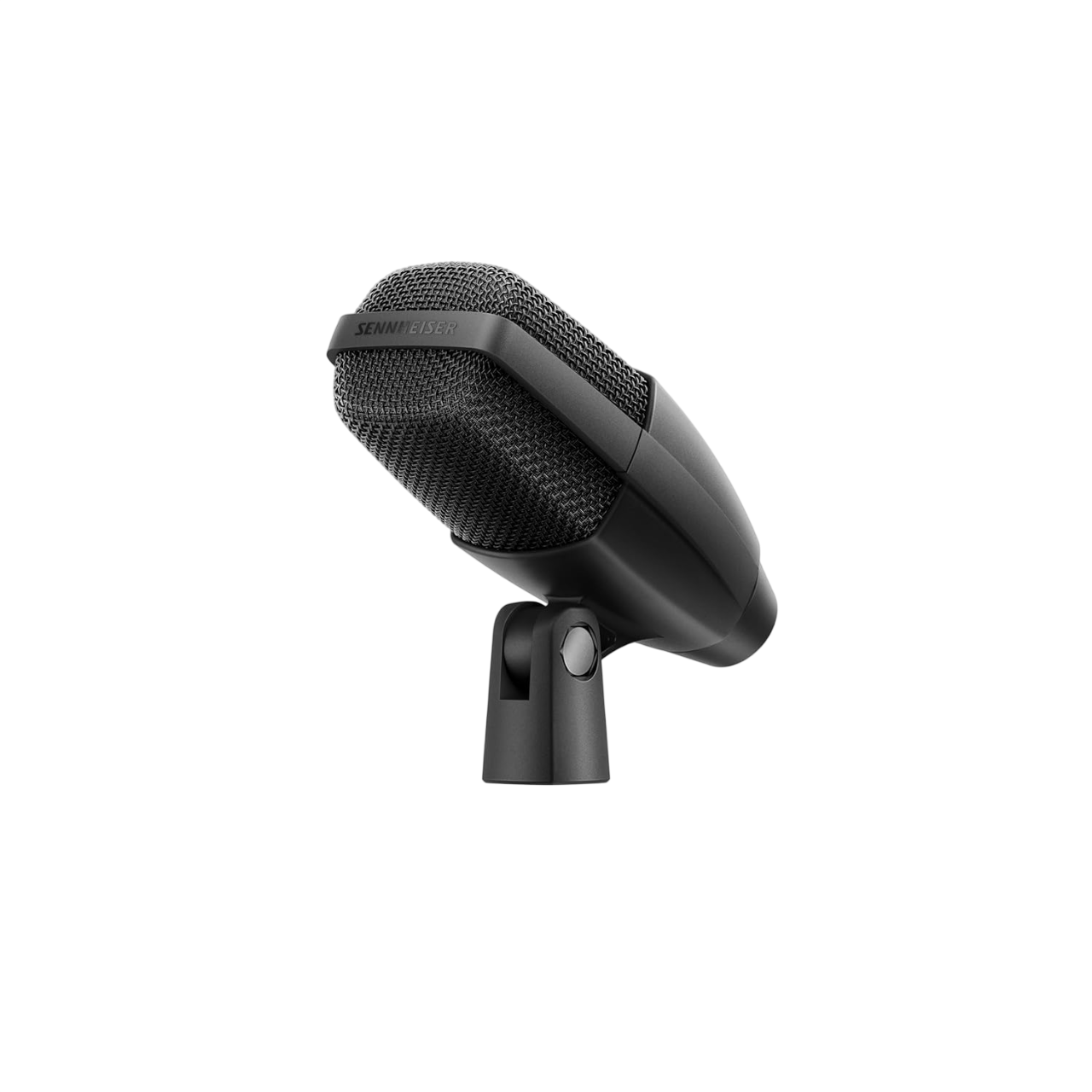
Beyer dynamic M88
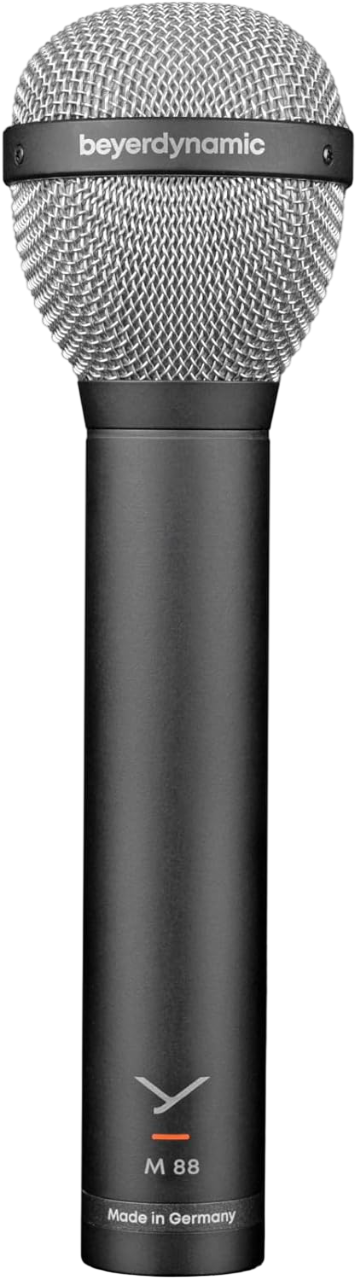
Shure SM58
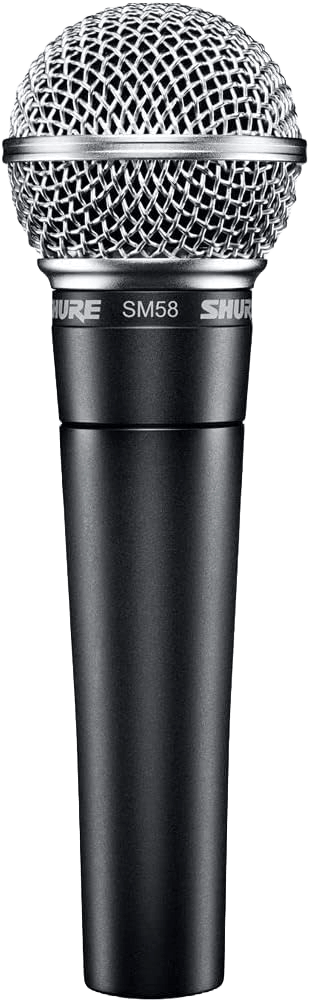
Shure SM57
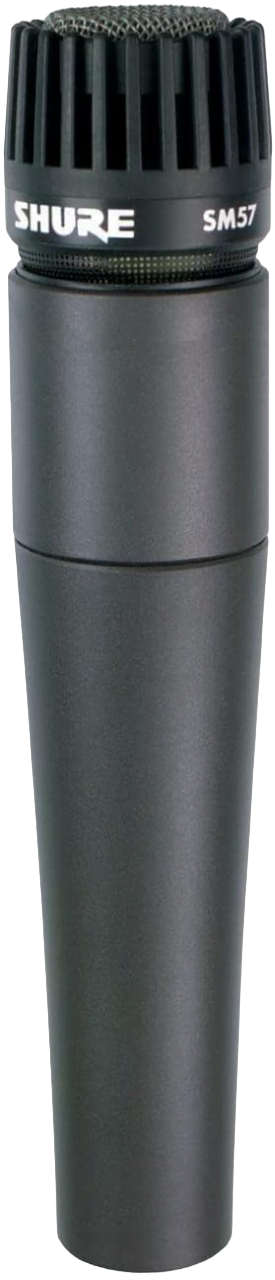
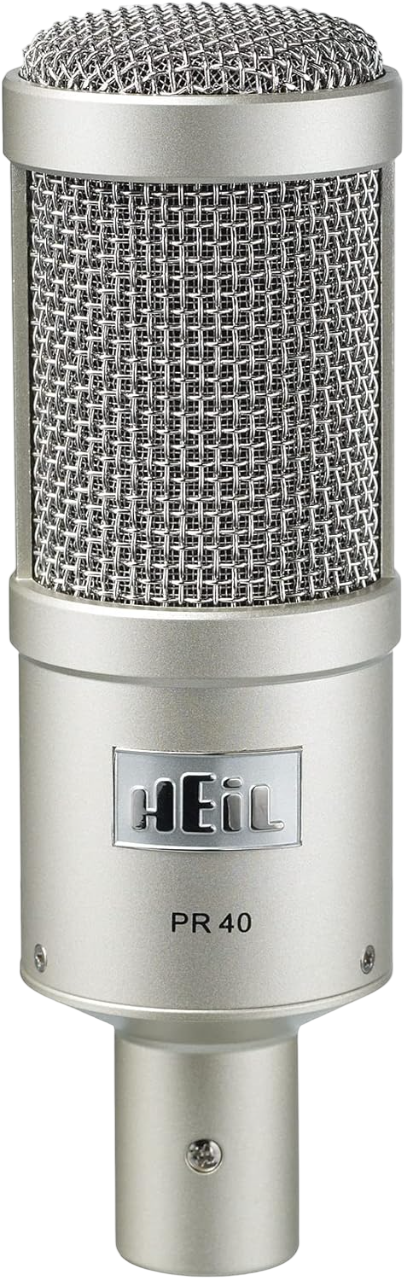
Heil PR 40
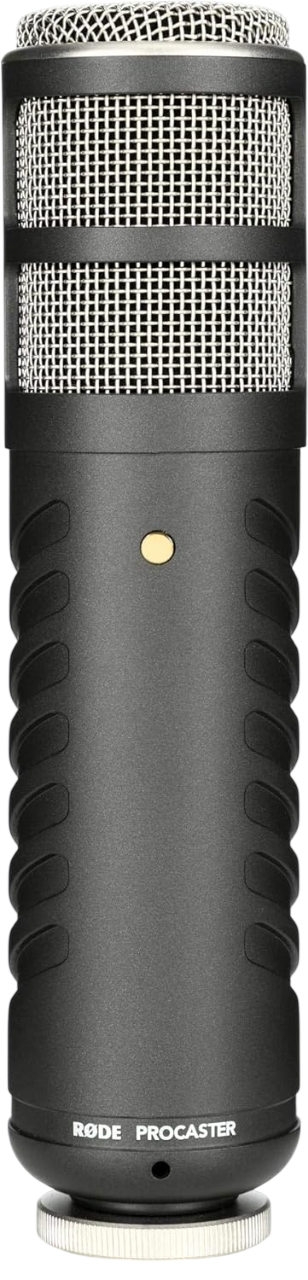
Rode Procaster
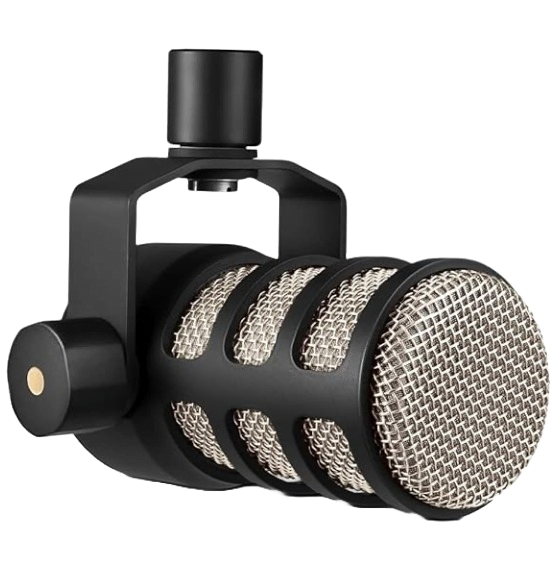
RodePodmic
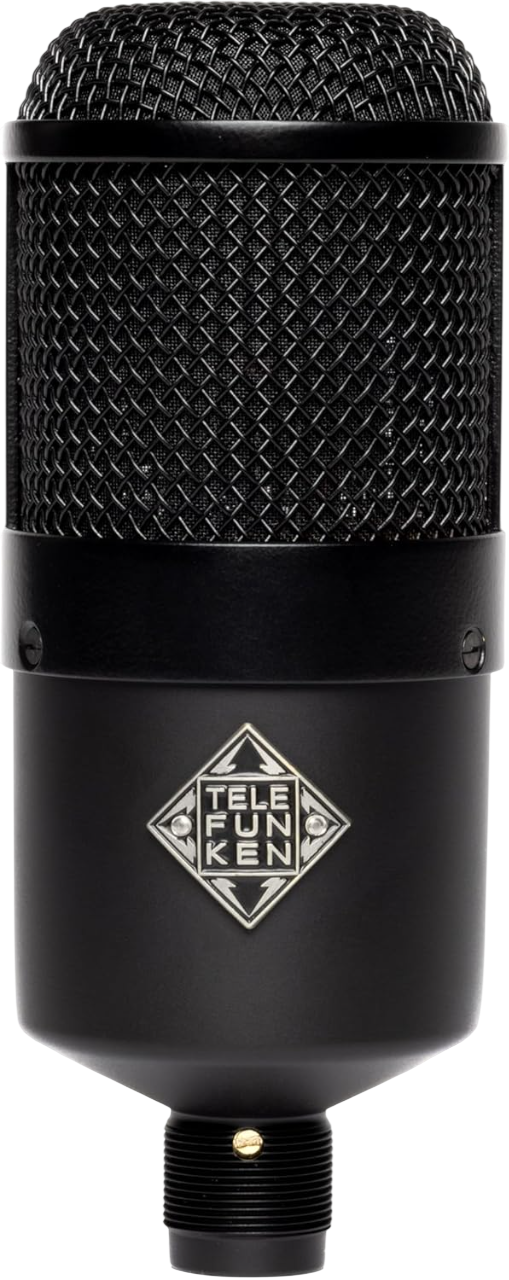
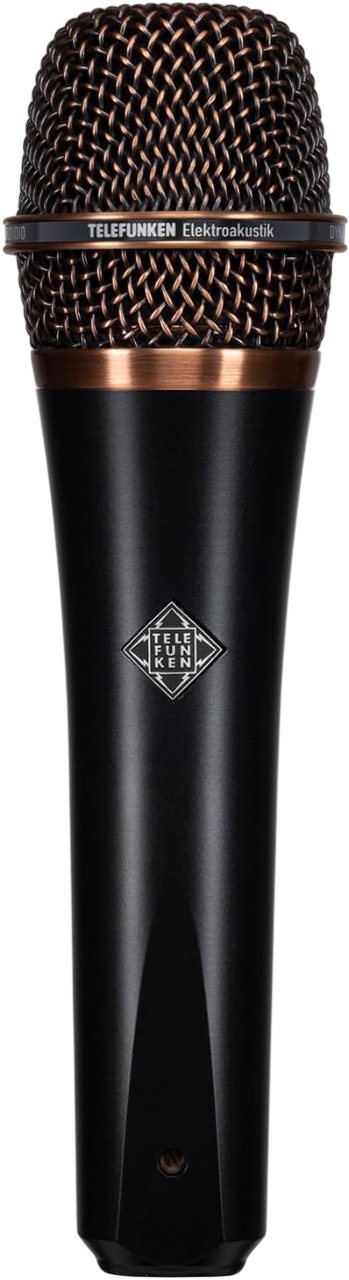
Telefunken M82
Telefunken M80
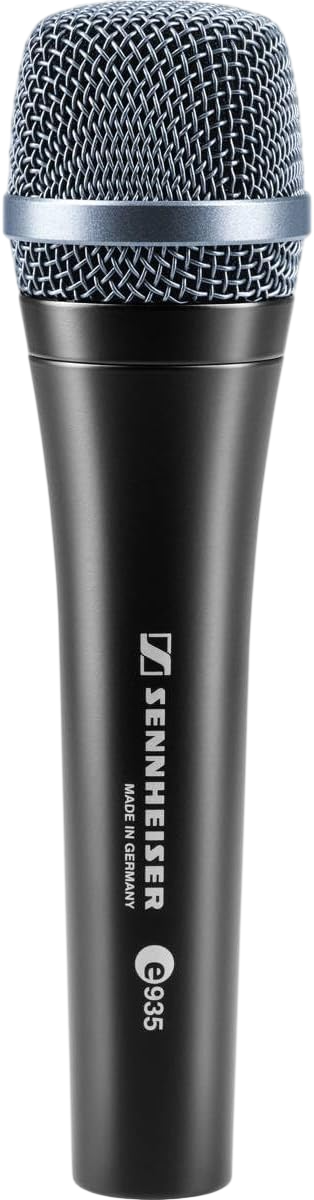
Sennheiser e935
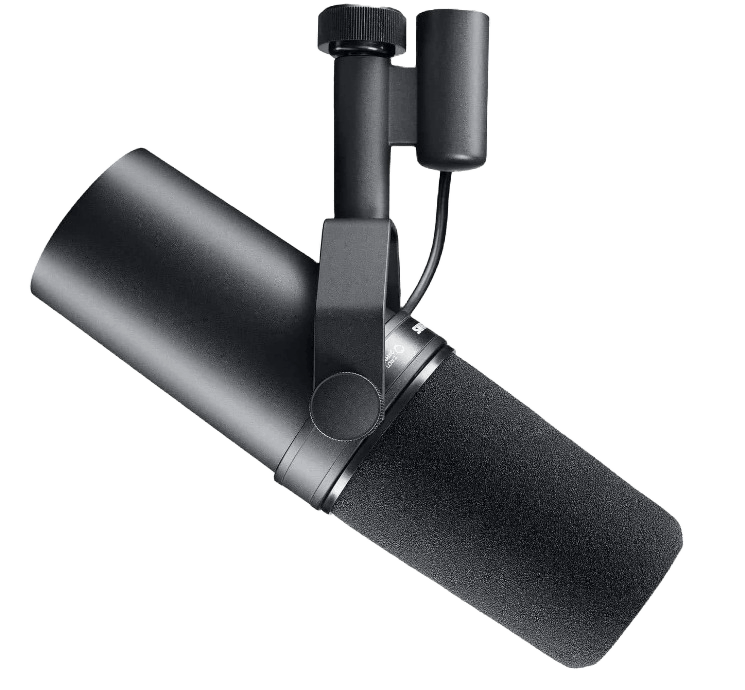
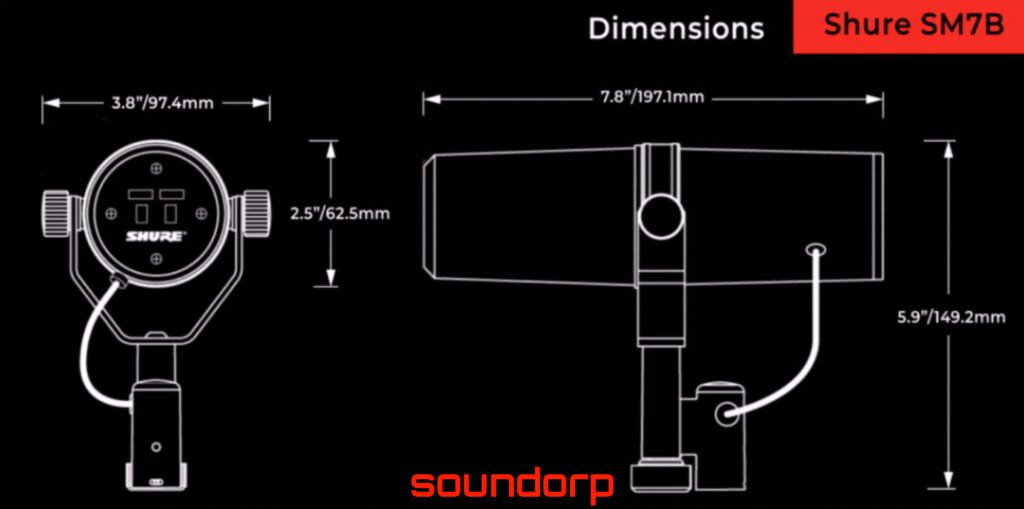
Shure SM7B and SM7dB
Short answer.
The SM7B remains the safest vocal mic choice on earth.
This microphone traces back to the original Shure SM7 used on Michael Jackson vocals for Thriller. That lineage shows in its design priorities.

The capsule sits deep inside the housing.
That distance controls plosives naturally.
The proximity effect stays smooth.
Harsh sibilance stays controlled.
I have tracked singers who destroy condenser capsules with sharp S sounds. The SM7B keeps them calm and listenable without aggressive de essing later.
The Gain Problem and the SM7dB Fix
The SM7B output is low.
Very low.
It needs around 60 dB of clean gain.
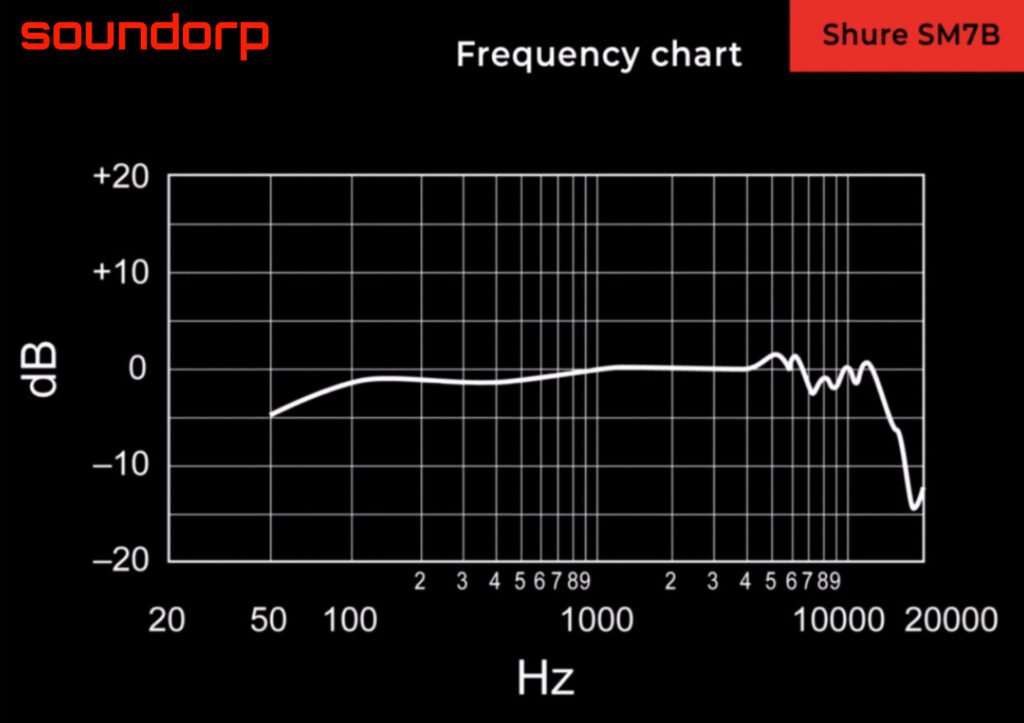
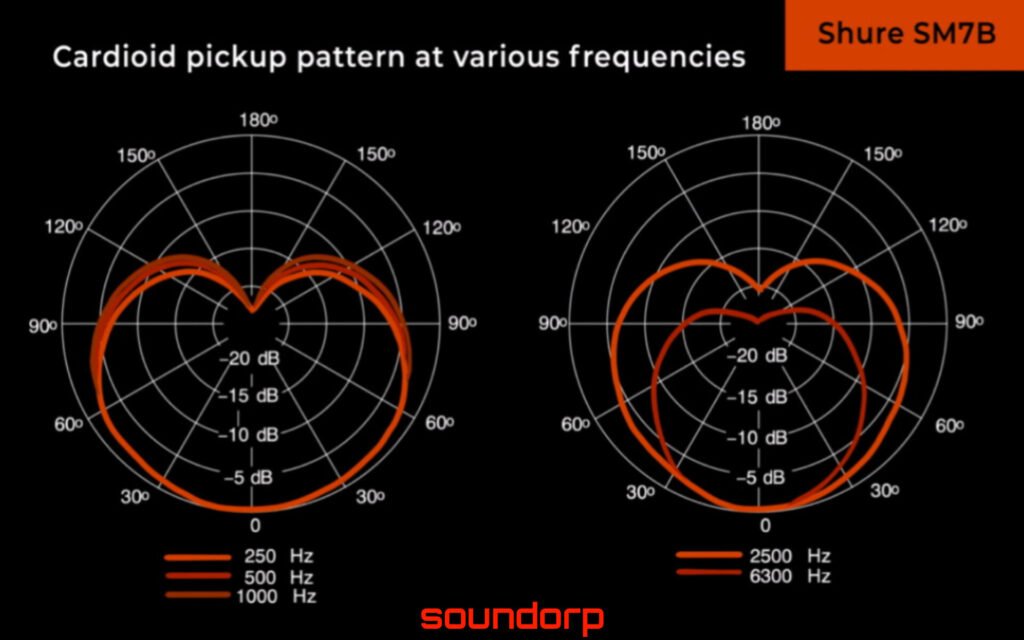
Many budget interfaces fail here.
Engineers solved this with Cloudlifters and FetHeads for years.
Shure ended that workaround with the SM7dB.
The SM7dB adds a built in preamp delivering 28 dB of clean gain using phantom power.
The sound stays identical to the SM7B.
That matters.
I tested both back to back through the same interface. Same tone. Same weight. Same mid control. Just more level.
This design shift made high end vocal tone accessible to creators without expensive outboard gear.
Why Professionals Still Choose the Passive SM7B
High end studios still favor the passive SM7B.
Why.
Cleaner signal path.
Better pairing with Neve and API preamps.
Lower cost.
Less electronics in the mic body.
If your preamp already delivers clean gain, the original SM7B remains ideal.
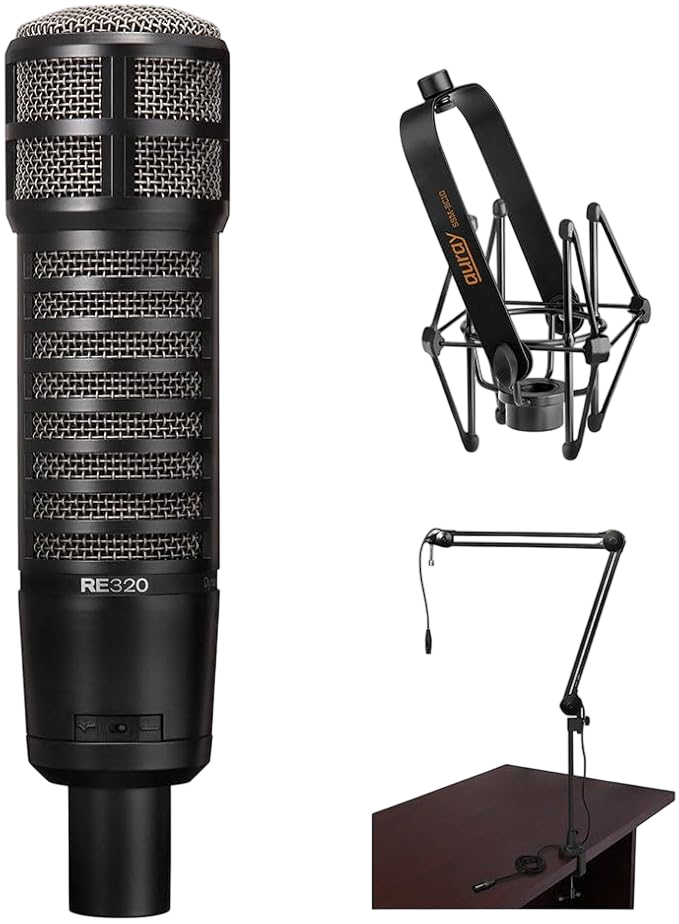
Electro Voice RE20
Short answer.
The RE20 solves proximity effect better than any microphone.
This is not opinion.
This is engineering.
Electro Voice developed Variable D technology to keep bass response consistent regardless of distance.
Ports along the microphone body vent low frequencies gradually.
The result stays stable even if the speaker moves.
Broadcasters love this.
Podcasters love this.
I love this when clients cannot sit still 😄!
Why the RE20 Sounds So Clean
Frequency response stays flat from voice fundamentals through presence.
Plosives stay controlled without external pop filters.
Handling noise stays low.
Room tone stays minimal.
That makes the RE20 forgiving.
It rewards bad mic technique.
It forgives head movement.
It forgives inconsistent distance.
That reliability explains why radio studios trust it for decades.
Kick Drum Use
Engineers also place the RE20 inside kick drums.
No bass overload.
No boominess.
Just punch and body.
I have used it on jazz kicks and metal kicks with equal success.
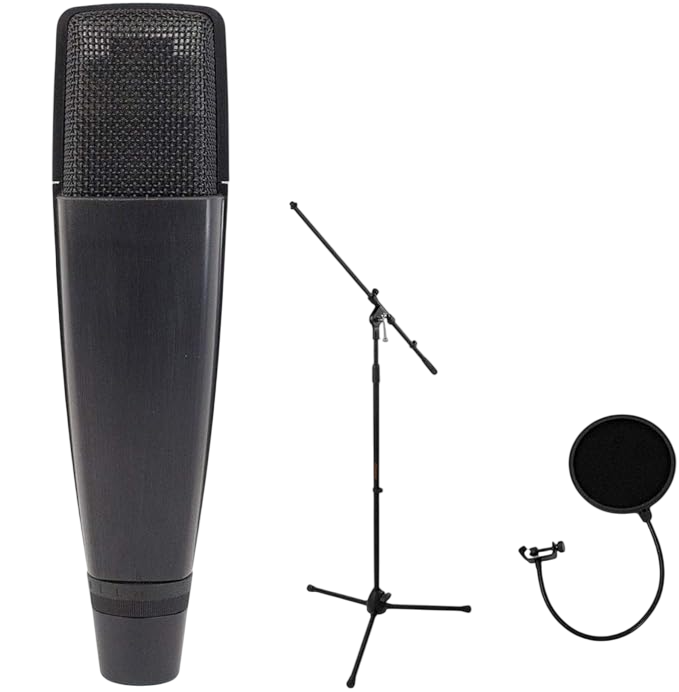
Sennheiser MD 421 II and MD 421 Kompakt
Short answer.
The MD 421 defines tom drum recording.
This microphone handles almost anything.
Toms.
Guitar cabinets.
Brass.
Percussion.
Speech.
The five position bass control lets engineers shape proximity effect mechanically.
Before digital consoles, this mattered a lot.
I still reach for it instinctively even though digital high pass filters exist everywhere now.
✨ Did You Know
The Sennheiser MD 421 has been produced in nearly the same form since the 1960s and is still loved by engineers for its natural midrange frequency response.
The Ergonomic Problem and the Kompakt Solution
The original MD 421 II has two issues.
Large body.
Fragile clip.
Everyone complains about the clip.
Everyone.
Sennheiser fixed this with the MD 421 Kompakt.
Same capsule.
Same sound.
Smaller housing.
Standard mount.
Half the weight.
I mounted four Kompakt units on a crowded drum kit without fighting angles or stands. That alone sold me.
The Kompakt drops the bass switch.
In modern workflows, this loss barely matters.
Digital EQ solves it faster.
Beyerdynamic M88
Short answer.
Beyerdynamic M88 delivers huge low end, clear highs, and strong isolation.
This mic surprises people the first time they hear it.
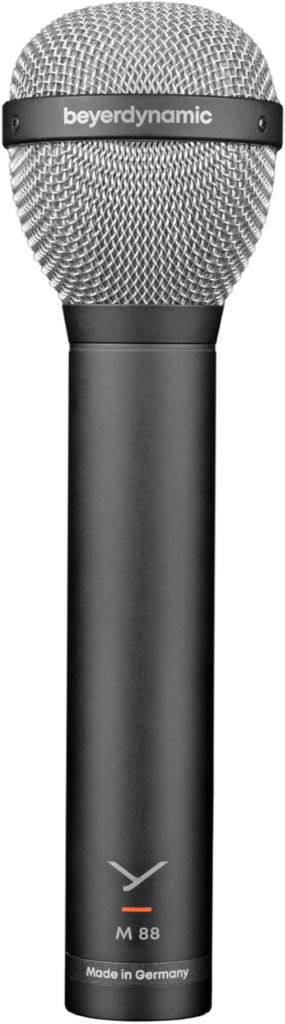
I remember putting it on a vocal after years of SM7B and RE20 use. The low end felt deeper. The top felt more open. The output felt hotter. I checked the gain twice 😄!
The M88 uses a neodymium magnet, which gives it higher output than many classic dynamics. That helps a lot with cheaper interfaces.
The polar pattern stays hypercardioid.
Side rejection stays strong.
Rear rejection stays tight.
That pattern helps on loud stages and crowded studios.
Vocals and Kick Drum Performance
Engineers love the M88 on kick drum.
It captures sub energy without losing click.
On vocals, the proximity effect hits harder than an RE20. That gives singers control. Move closer for weight. Step back for clarity.
I learned this trick watching live engineers on festival stages. They coach vocalists to work the mic physically instead of reaching for EQ later.
This mic rewards good technique.
Shure SM58
Short answer.
SM58 survives everything and sounds good on almost anyone.
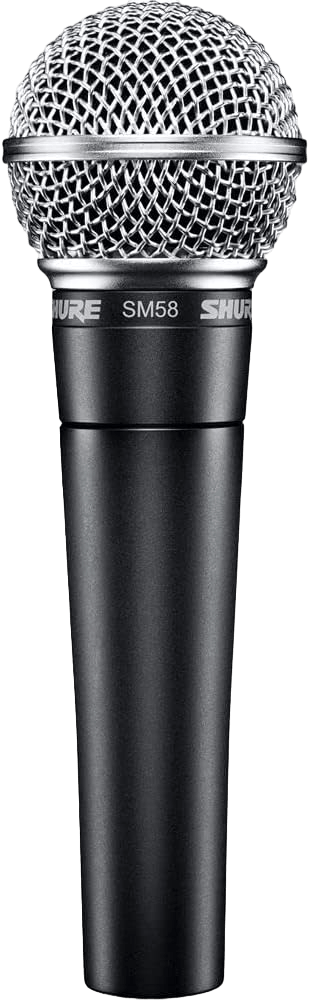
This mic needs no introduction.
It exists on every stage for a reason.
The grille dents.
The capsule lives.
The signal keeps flowing.
I once used an SM58 that fell off a drum riser mid show. It rolled. Got picked up. Finished the set. No noise. No crackle.
Vocal Tuning for Live Use
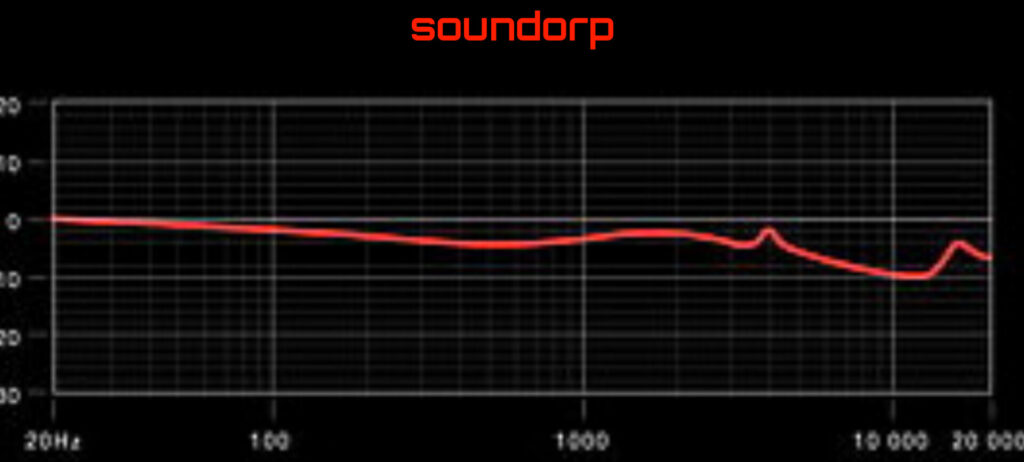
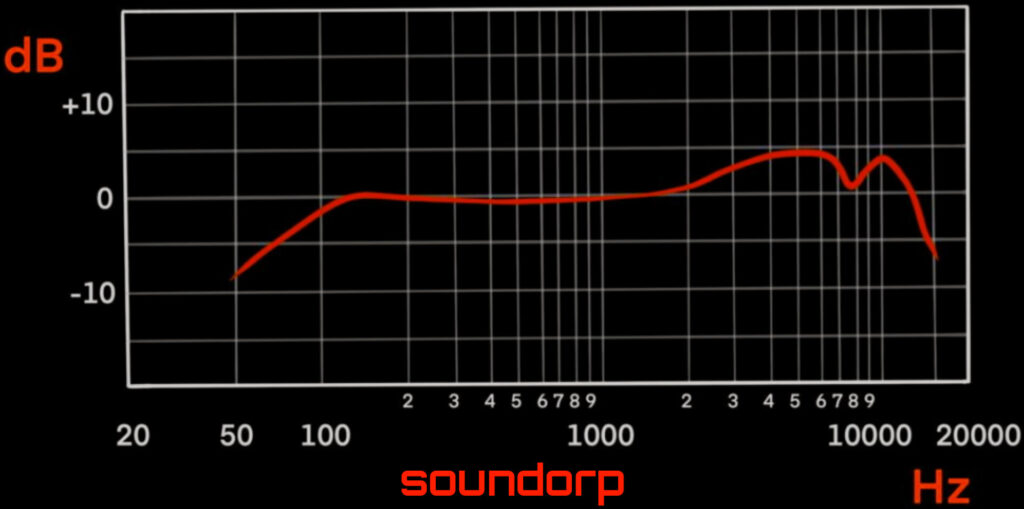
The SM58 boosts upper mids gently.
That helps vocals cut through guitars and cymbals.
The low end rolls off naturally.
That helps reduce feedback.
This tuning explains why live engineers trust it.
It does not sound flat.
It sounds useful.
Shure SM57
Short answer.
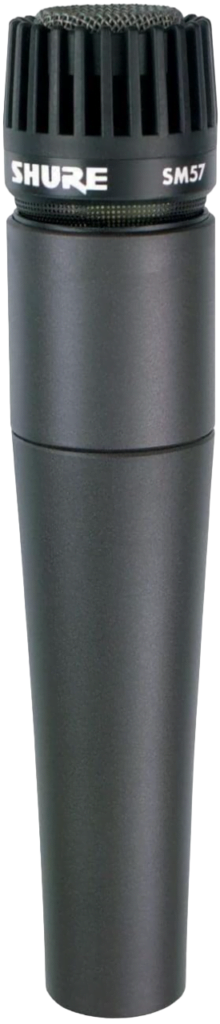
SM57 defines instrument recording.
Snare drum.
Guitar cabinet.
Percussion.
Brass.
This mic handles extreme SPL.
Up to 150 dB.
That number matters.
I have placed an SM57 inches from a guitar speaker at full volume. The mic stayed clean. The preamp clipped first.
✨ Did You Know
The Shure SM57 has been used in every US presidential speech broadcast since the 1960s and is in the TECnology Hall of Fame for its reliability.
Why the Grille Design Matters
The flatter grille lets you get closer.
Closer placement increases attack.
That makes snares snap.
That makes guitars bite.
Engineers compare every instrument mic to the SM57 for a reason.
Heil PR 40
Short answer.
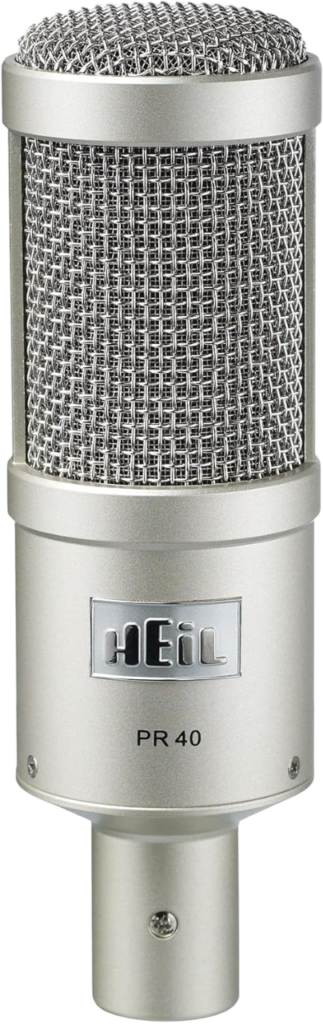
PR 40 sounds detailed and controlled in bad rooms.
Podcast creators love this mic.
Voiceover artists love it too.
The diaphragm measures one inch, which is large for a dynamic mic.
That size improves detail.
Top end stays open.
Rear rejection reaches minus 40 dB.
That number matters in untreated rooms.
I tested this mic next to a window with traffic noise. The PR 40 rejected more room sound than expected. Reddit users report the same experience repeatedly.
Proximity Effect Reality
The PR 40 does have proximity effect.
Move too close and bass builds fast.
Good mic technique solves it.
I keep this mic around for voice talent who want clarity without condenser harshness.
Rode Procaster and PodMic
Short answer.
Rode Procaster delivers broadcast tone at mid price.
The Procaster handles spoken word well.
Smooth mids.
Controlled plosives.
Solid output.
It lacks Variable D style control, but it stays consistent with decent technique.
PodMic and PodMic USB
The PodMic became popular fast.
Compact.
Affordable.
Solid tone.
The PodMic USB added XLR and USB outputs plus onboard DSP.
That DSP includes compression and filtering.
Streamers love this.
Gamers love this.
For music production, I still prefer raw analog signal. For content creation, this mic saves time and frustration.
Telefunken M82 and M80
Short answer.
Telefunken dynamics deliver clarity with control.
The M82 shines on kick drum and vocals.
Two onboard switches shape low end and presence.
That flexibility helps during fast sessions.
I used it once when the kick mic position kept changing. The onboard EQ saved time.
The M80 targets live vocals.
It captures fast transients.
Highs feel crisp without harshness.
Many singers switch to the M80 after struggling with feedback on condensers.
Sennheiser e935
Short answer.
e935 cuts through loud mixes cleanly.
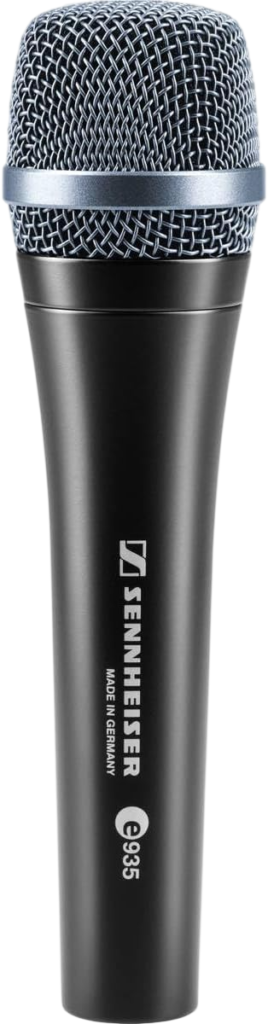
This mic suits lead vocals on stage.
Upper mids push forward.
Low end stays tight.
Handling noise stays low.
Compared to SM58, the e935 sounds more open.
Many touring engineers on Gearspace mention this difference clearly.
The cardioid pattern stays forgiving for singers who move.
That matters live.
Sensitivity and Gain Requirements
Short answer.
Dynamic mics need more gain than condensers.
This matters for beginners.
Here is what I learned the hard way.
Low sensitivity mics need strong preamps.
Weak interfaces add noise.
That is why inline boosters became popular.
Approximate sensitivity levels
- Shure SM7B minus 59 dBV Pa
- Electro Voice RE20 minus 57 dBV Pa
- SM57 and SM58 minus 56 dBV Pa
- Heil PR 40 minus 54 dBV Pa
- Telefunken M80 minus 54 dBV Pa
- Shure SM7dB minus 31 dBV Pa
The SM7dB solves this cleanly.
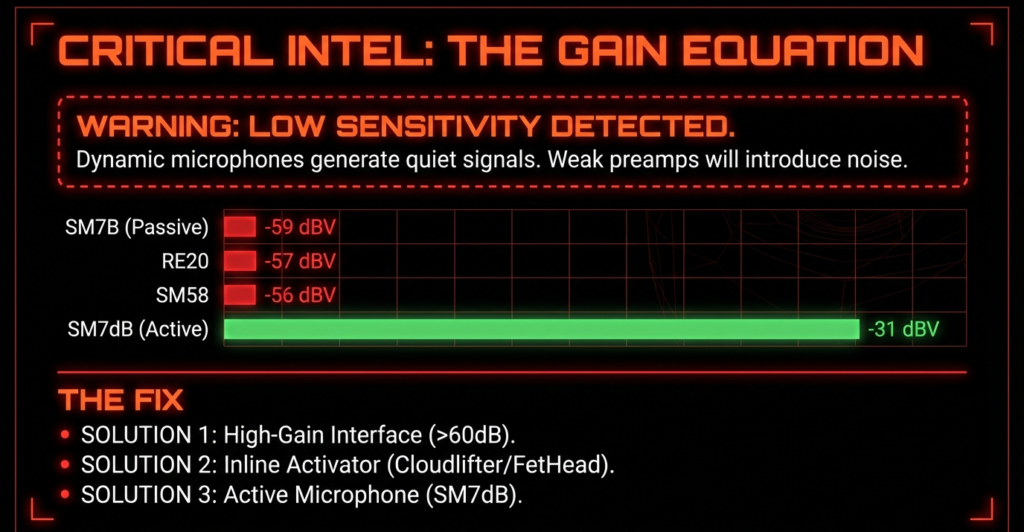
USB mics solve this digitally.
Passive mics still reward good preamps.
Environmental Rejection and Off Axis Sound
Short answer.
Cardioid dynamics excel in bad rooms.
They reject reflections.
They ignore fans and traffic.
They focus on the source.
I see this daily in home studios.
Condensers capture the room.
Dynamics capture the voice.
Higher end models maintain better off axis tone.
RE20 and MD 421 stand out here.
Bleed sounds natural instead of muffled.
That matters when mixing drums or live sessions.
Proximity Effect Control
Short answer.
Proximity effect changes bass as distance changes.
Some mics exaggerate it.
Some control it.
RE20 controls it best.
M88 exaggerates it intentionally.
SM58 balances it for live use.
Knowing this helps mic choice more than frequency charts.
Digital Integration and Modern Workflows
Active dynamics and USB mics simplify setups.
Inline preamps use phantom power to boost signal.
Cloudlifter and FetHead did this externally.
SM7dB does it internally.
USB mics move conversion inside the mic body.
This helps beginners.
Professionals still prefer analog chains.
Manual EQ and compression sound better when done right.
I tested automated DSP versus manual mixing many times. Human decisions still win.
What exactly is a cardioid dynamic microphone in simple words
Cardioid means the mic hears most of the sound from the front and a lot less from the sides and back. It’s like the mic has blind spots in the places where noise usually comes from in small rooms. (Distance Learning Institute)
Dynamic means the mic uses a coil and magnet system to turn sound into electricity. This design is not fragile, does not need extra power, and handles loud sounds well. (audiogearz.com)
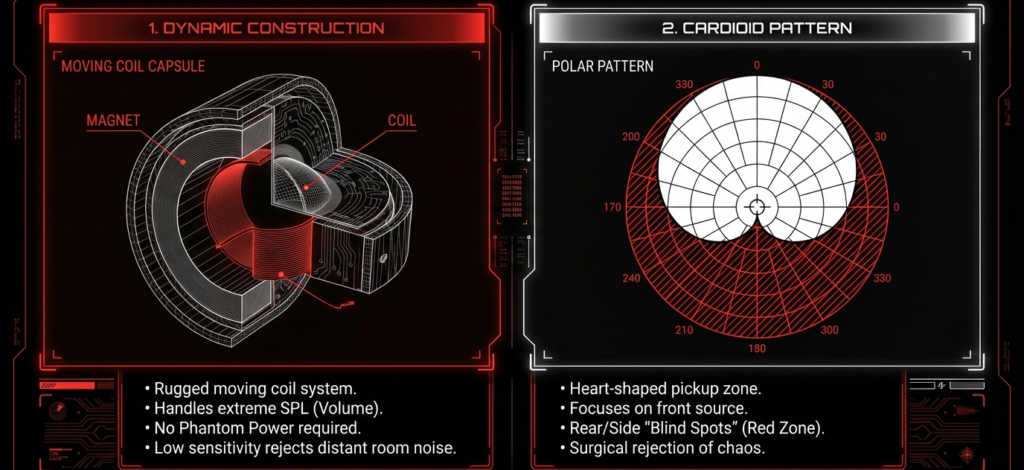
So in plain words:
- Cardioid focuses on what you want to hear.
- Dynamic makes that focus work in real-world messy places.
One thing I learned over time is that people online often think dynamics magically reject room noise more than condensers. That’s not physics. The truth is you naturally put a dynamic mic closer to your mouth, so you get a louder desired signal compared to background sounds. This makes it seem like it rejects noise better. (Reddit)
| Pattern | Best Use |
|---|---|
| Cardioid | Front‑focused recording (voice, podcast, vocals) |
| Supercardioid | Even tighter front focus with slight rear pickup |
| Omnidirectional | All‑around pickup (environment sound) |
| Bidirectional | Front + rear pickup (interviews) |
| Data backed by MusicRadar and WhatsTheBest Guide (musicaladvice.com) |
What problem does a cardioid dynamic microphone actually solve
If you record voice or instruments in a room that is not treated, you quickly run into one problem background noise and echo that ruin your track.
A cardioid dynamic mic focuses on sound in front of it and ignores most everything else which helps your voice stand out from room noise, computer fans, and random sounds 🌤️. “Cardioid” means heart-shaped pickup pattern that grabs front sound best and rejects side and rear sounds. (Alibaba)
The “dynamic” part means a moving coil capsule, which is rugged and less sensitive than condenser mics. That lower sensitivity is good when your room is not perfect because it doesn’t amplify every sound in the room, just your voice. (audiogearz.com)
I remember the first time I recorded in my bedroom with a condenser mic and my voice sounded echoey and distant even though I was just six inches from the mic 🥴. Then I tried a cardioid dynamic and suddenly my voice popped through cleanly even without any foam panels. That’s not magic, it’s how these mics are designed to work.
When is a cardioid dynamic mic the best choice for you
Short answer: When your room is not perfect and you need clear, focused voice right away.
Use it if you:
- Podcast from your bedroom or living room with noise and echo
- Stream or record games with keyboard clicks nearby
- Do voiceovers while fan and AC hum exist
- Talk loudly or project your voice
- Don’t want complicated setup or phantom power
Cardioid dynamic mics are bulletproof for that. They focus on your voice and don’t reward every little room noise. Many podcasters prefer them because they help cut editing time later. (makschu-productions)
When is a cardioid dynamic mic the wrong choice
Short answer: When you want very detailed sound or subtle tones.
You might not want one if you:
- Record whispery vocals and want every breath and nuance
- Capture acoustic instruments with delicate high frequencies
- Sit far from your mic and want room ambiance
- Want a super-transparent, high-definition studio sound
Dynamic mics sacrifice some detail for focus and durability. They generally capture a narrower range of sound compared to condensers. (tyxstudios.com)
I once tried recording an acoustic guitar with a dynamic mic. At first it sounded okay, but after putting a condenser on the same guitar I heard twice the detail in the strums and finger noise. That confirmed it to me: dynamics are practical, condensers are detail machines.
What should you look for before buying a cardioid dynamic microphone
Here’s the real checklist I use before picking any mic:
- Output level — enough gain for your interface without noise
- Internal shock mount — reduces handling sound
- Plosive control — built-in windscreens help
- Build quality — you want these things to last hundreds of sessions
- Included accessories — stand mount, pop filter, case
Most other specs like fancy frequency graphs are hype unless you are doing specific work.
Also avoid buying a mic with a pattern you don’t understand. Cardioid is best for solo voice work in messy spaces. Hypercardioid can be even better at isolation, but you must know exactly how to aim it. (Alibaba)
Common mistakes people make with cardioid dynamic microphones
People with dynamic mics often do these mistakes:
- Not speaking into the front of the mic 😅
- Keeping it too far — results in weak quiet voice capture
- Over-EQing because they think their mic is bad
- Expecting condenser-level detail with a dynamic
One friend of mine bought a great dynamic mic but placed it too far and then said “this mic is garbage”. When I moved it closer, the sound got instantly clear and rich. That moment tells you everything you need about technique vs gear.
Frequently Asked Questions (FAQ)
Do cardioid dynamic microphones work for music
Yes. They are widely used for music recording and performance.
They capture:
- Vocalists in studio and stage gigs
- Guitar amplifiers
- Drum kits (especially snare)
- Brass instruments
Professionals use them all the time because dynamics handle loud sources and room bleed better than most condensers. (audiogearz.com)
That’s why classic mics like the Shure SM7B and SM57 are standards everywhere from rock stages to home podcast studios. (Wikipedia)
In my own band practice room, the difference was dramatic when switching from a condenser to a cardioid dynamic for guitar amps.
| Microphone Model | Type | Classic Use Case |
|---|---|---|
| Shure SM57 | Dynamic cardioid | Instruments + vocals (industry standard) |
| Sennheiser MD 421 | Dynamic cardioid | Drums, guitar amps, broadcast |
| Electro‑Voice RE20 | Dynamic cardioid | Radio, podcasting, voiceovers |
| Sources: Wikipedia and professional audio references (Wikipedia) |
Who should buy a cardioid dynamic microphone in 2026
You should pick one if you:
- Record voice in untreated rooms
- Want practical clean sound without noise editing
- Don’t want to deal with phantom power and fragile gear
- Are streaming, podcasting, or doing live voice
These mics reward real-world usage more than perfection setups. In my years of recording, the times a cardioid dynamic saved a session are too many to count 🎤🙂.
How close do you need to be to a cardioid dynamic mic
The simple rule I learned from practice and forums is:
Closer equals clearer.
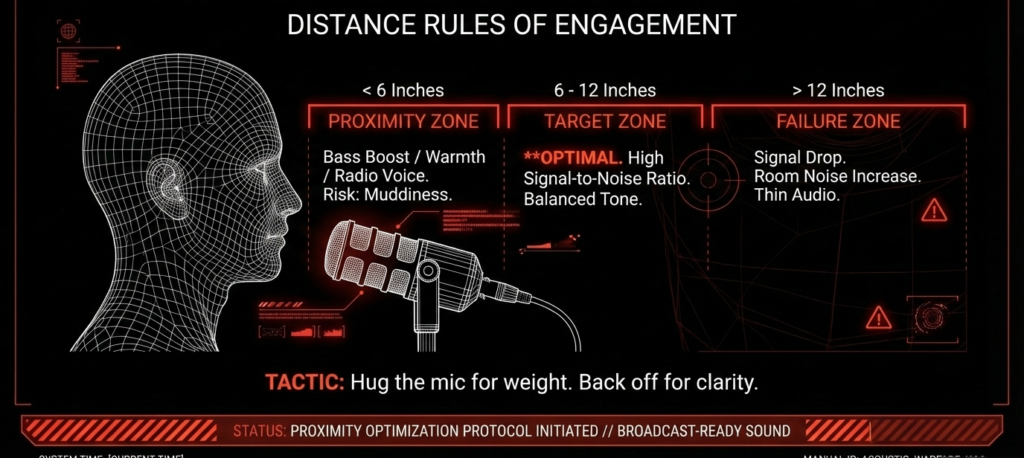
Dynamic mics are least sensitive. That means you must place them 6 to 12 inches from your mouth to get a good clean signal without noise. That sweet spot makes your voice loud compared to room noise and gives you the best signal-to-noise ratio. (Reddit)
There’s also something called proximity effect where being too close adds bass boominess. You can use that in your favor for rich, warm voice. But if you get too close you get muddy low end and plosive pops. (studyguides.com)
From experience, once I learned to hug the mic slightly, my voice recordings always sounded fatter and smoother without changing EQ.
What should you look for before buying a cardioid dynamic microphone
When buying a cardioid dynamic mic, I always start with output level. You want a mic that doesn’t need insane gain because not all interfaces can handle it cleanly. A weak signal creates noise fast.
Internal shock mounting is a must. Handling noise is brutal when you’re moving your mic around or using a boom arm. I remember recording a guest podcast with a cheap mic, and every tap of the desk rattled through the track. A mic with built-in isolation would have saved us hours in post.
Plosive control is another feature I never skip. Speaking words like “p” and “b” create pops. Some mics include a pop filter internally, and that tiny investment prevents re-records and frustration. (gearslutz.com)
Build quality is non-negotiable. You want a mic that survives drops, travel, and repeated use. I’ve crushed a few budget dynamics over the years, and they never bounced back.
Accessories matter. A stand mount, case, or pop shield included saves money and ensures you start recording correctly. Don’t fall for marketing hype like ultra-wide frequency graphs.
How close do you actually need to be to a cardioid dynamic microphone
Keep it 6 to 12 inches from your mouth. Closer gives a clean, strong signal. Too close adds bass boom and plosives. Hug it slightly to make your voice rich and smooth.
Why cardioid dynamic mics can sound better than condensers in bad rooms
People often feel dynamic mics pick up less room sound. That’s partly physics and partly perception.
Cardioid patterns naturally drop sound from sides and rear. That matters in untreated environments because most noise and reflections come from the sides and behind you. (The DailyMoss)
Also, dynamic mics are just less sensitive in general. That means you can crank the gain just enough to hear your voice, and the mic naturally ignores low-level noise that would otherwise get recorded. (Reddit)
One Reddit engineer put it well: if you gain-match a condenser and a dynamic cardioid mic, they pick up the same room noise. The difference people hear is because dynamic mics make you speak closer and that raises your voice over the noise naturally. That’s why a dynamic sounds cleaner in messy rooms. (Reddit)
| Feature | Dynamic | Condenser |
|---|---|---|
| Sensitivity | Lower | Higher |
| Detail Capture | Good | More detailed |
| Noise Pickup | Depends on placement | Picks up more room detail |
| Power Needed | No phantom power | Phantom required |
| Summary from AudioGearz and NearStream comparison (audiogearz.com) |
Is a cardioid dynamic microphone good for podcasts
Absolutely. It captures voice clearly, blocks side and rear noise, and handles different vocal levels well.
Do cardioid dynamic microphones pick up background noise
They pick up less than condensers in real rooms because of lower sensitivity and cardioid rejection. Speaking closer increases signal-to-noise ratio naturally. (reddit.com)
Why does my cardioid dynamic microphone sound quiet
Your interface may not provide enough gain. Dynamics need higher clean gain. Using a preamp or Cloudlifter fixes this without noise. (gearslutz.com)
Do I need a Cloudlifter or inline preamp for a dynamic mic
Not always. Only if your interface cannot provide clean gain. Otherwise, you can plug it directly. Cloudlifters boost the signal for louder, cleaner recordings.
Conclusion
A cardioid dynamic microphone solves one core problem clean sound in imperfect rooms.
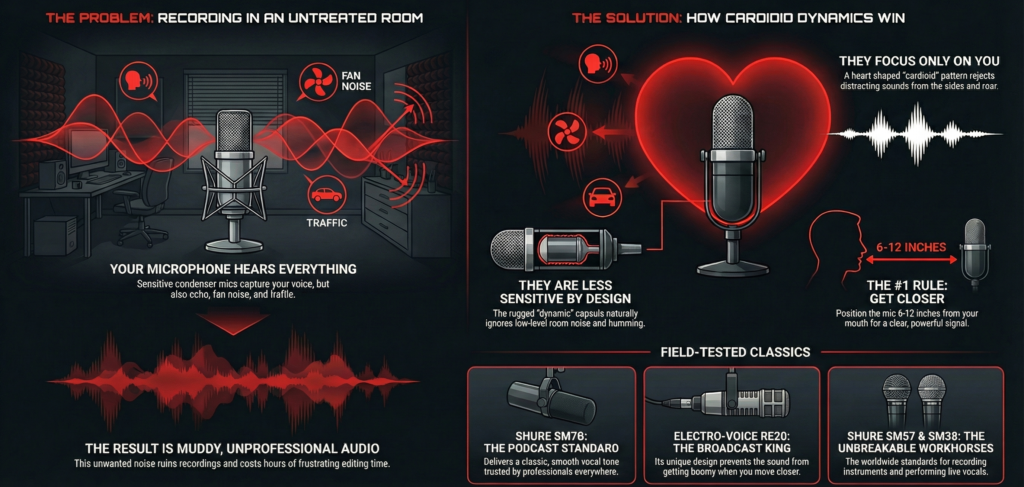
It works because it focuses on your voice, ignores side noise, and rewards close mic technique. That combination saves time, edits, and frustration!
From my own recordings, podcasts, and messy room tests, this mic type stays the safest choice when conditions are not controlled 🙂.
If your room is untreated, your setup changes often, or you want consistent results without fighting noise, this mic fits perfectly.
Choose it for clarity, control, and reliability.
Skip it only when you need extreme detail or distance capture.
Simple decision. Practical results.
At the end of the day, Selecting the right Mic matters. So select wisely
There are some affiliate links on this page that will redirect you directly to the original products and services. Also by buying through those links you will be supporting us. So thank you ^.^
Related Posts
- Best USB Microphone Models Under $150
- Large Diaphragm Condenser Microphone: Top 10 in the Market
- Parabolic Microphone
- Blue Yeti Microphone Review: Hidden Truth
- Maono Microphone Review
- Ribbon Microphone: The Top 10 in the Market
- Best Under $100 Condenser Mic
- Best of the Most Expensive Microphones to Buy
- Best microphones for recording vocals
- Different Types of Microphones and Their Features