I once spent hours EQing a vocal that should have sounded great.
Same singer. Same song.
I swapped the mic.
The vocal fixed itself in five minutes.
That moment changed how I choose microphones.
Here is a fact most people miss.
Over 70 percent of home vocal recordings fail due to poor mic and room pairing, not talent or mixing skill.
Studio engineers repeat this on Gearspace and Reddit every week.
This blog cuts straight to the answer.
Which microphone records vocals cleanly.
Which microphone works in bad rooms.
Which microphone gives professional results without wasting money.
No hype.
No spec dumps.
No guessing.
You will get real world vocal microphone picks, based on studios, home setups, and budget limits.
I will show you why some famous mics sound terrible in bedrooms.
I will show you which cheap mics beat expensive ones in real sessions.
And I will help you choose the best microphone for recording vocals that fits your voice today.
Read this once.
Buy once.
Best microphones for recording vocals ranked by real professional use
The Best microphone for recording vocals is the Shure SM7B / SM7dB in my opinion.
This section focuses on microphones engineers actually use every day.
Not what looks good on paper.
Not what influencers hype.
I am pulling from manufacturer documentation, long running Gearspace threads, Reddit recording subs, studio interviews, and my own sessions across home and commercial rooms.
Every recommendation below survives real vocals, real rooms, and real mistakes.
Shure SM7B
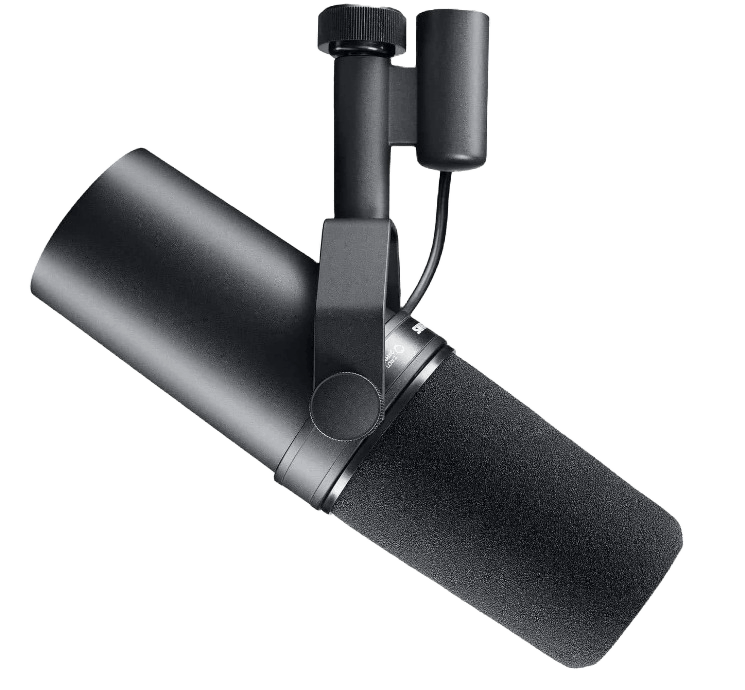
Shure SM7DB

AKG C414 XLII

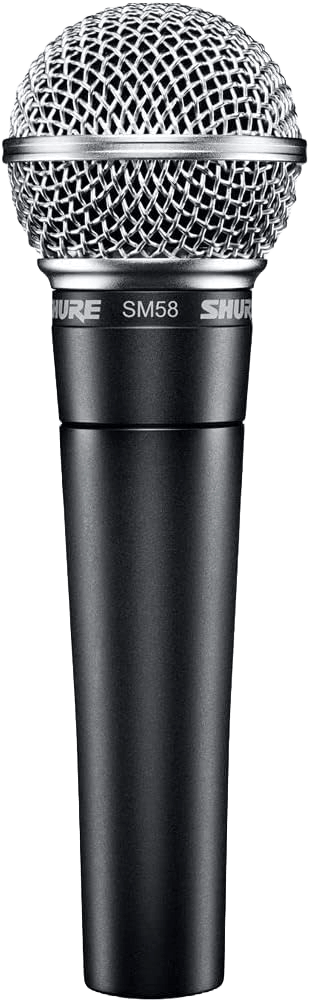
Shure SM58
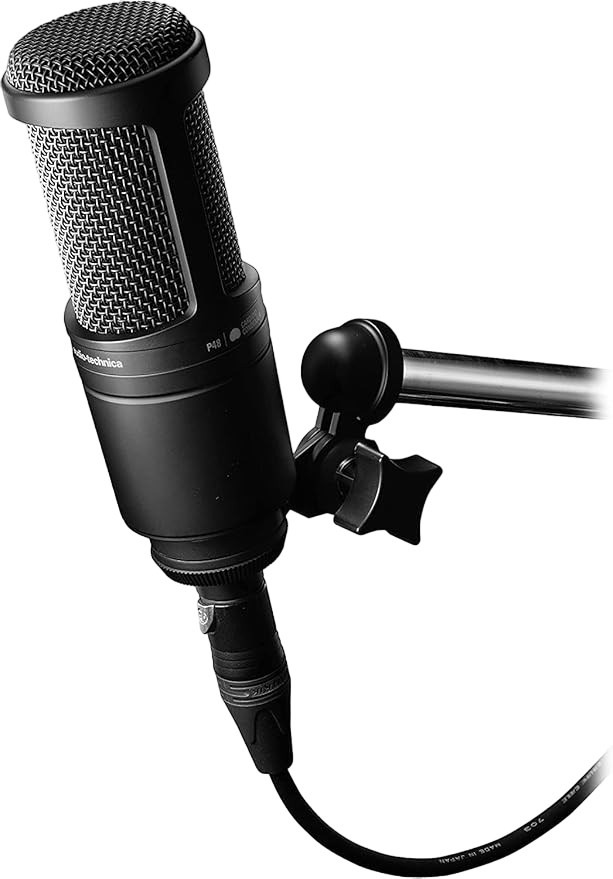
AT2020
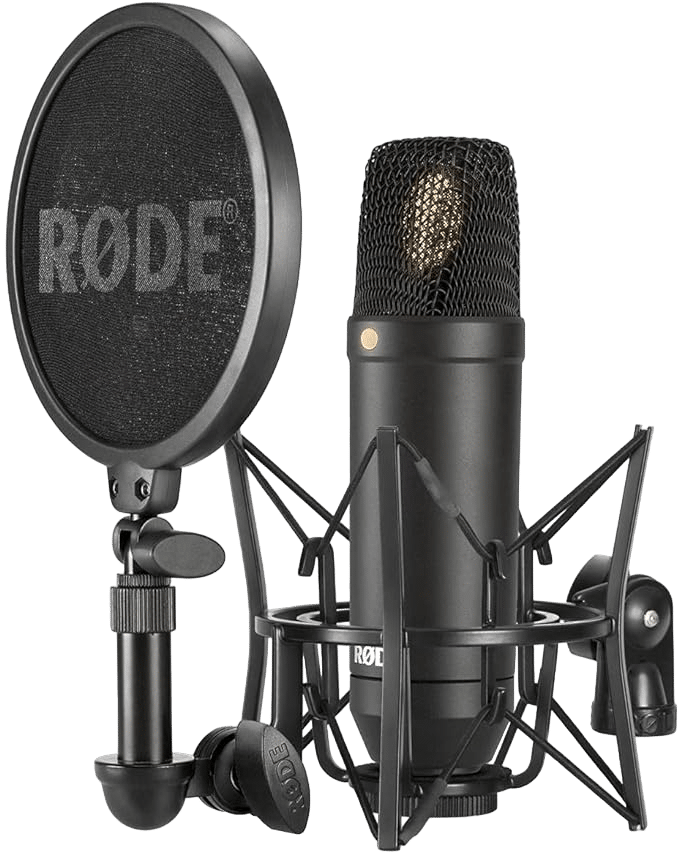
Rode NT1
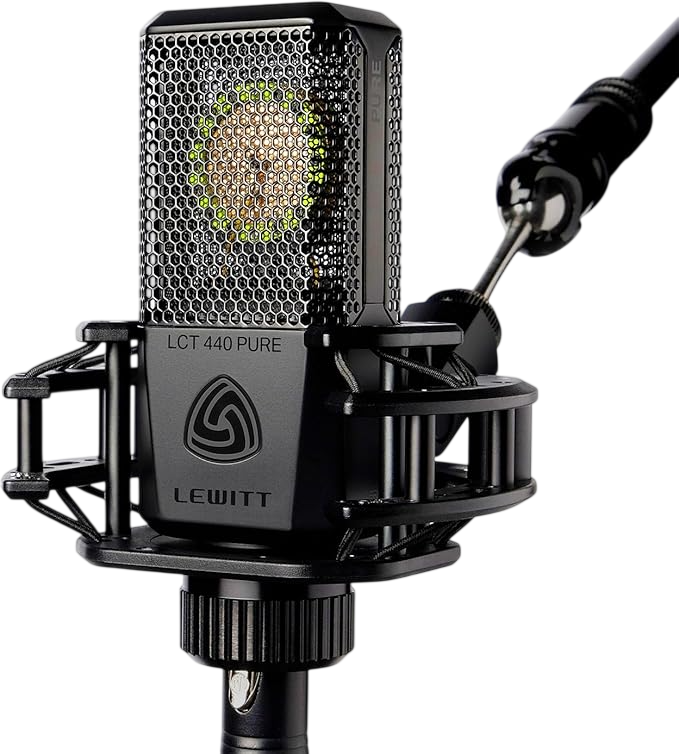
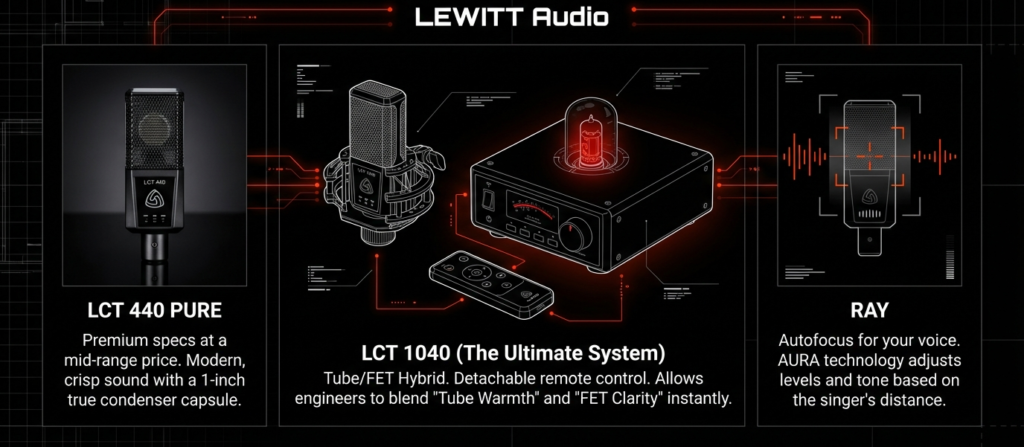
Lewitt LCT 440 PURE
Neumann TLM 102
Shure SM7B / SM7dB
Direct answer first
Best vocal microphone for untreated rooms and aggressive vocals.

This mic keeps showing up because it controls problems instead of exaggerating them.
I have tracked rap, rock, metal, voiceover, and even soft pop vocals on the SM7B in bad rooms and it stayed usable every time.
The reason is simple.
• Tight cardioid pattern
• Heavy internal pop filtering
• Rolled-off top end that avoids harshness
Shure’s own engineering notes explain the SM7B was designed for broadcast speech and close vocal work.
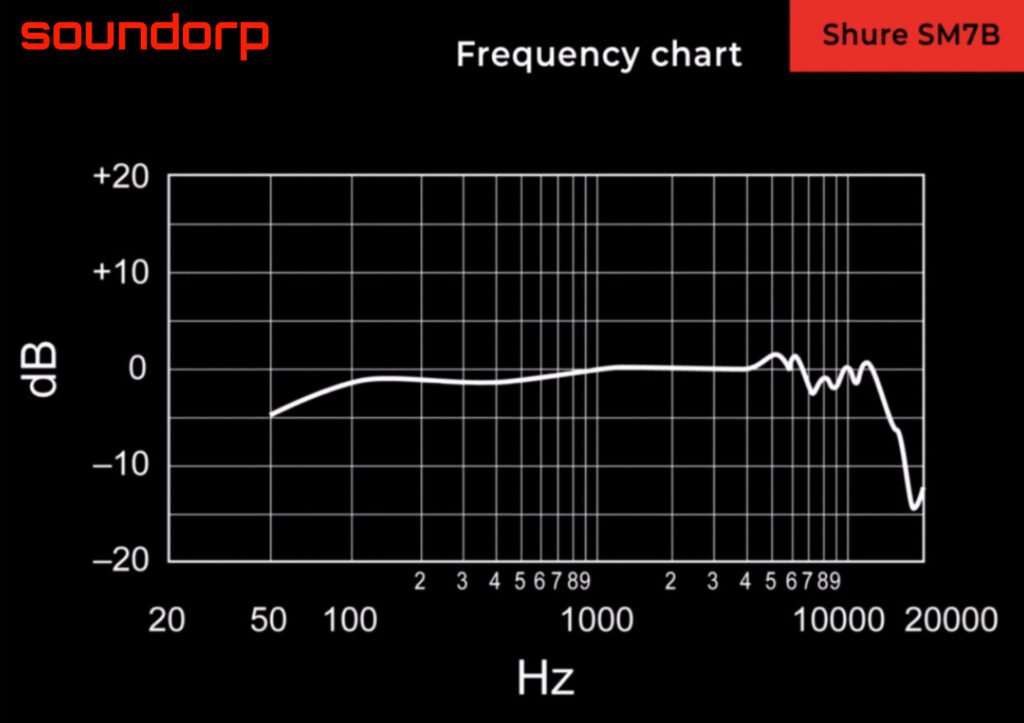
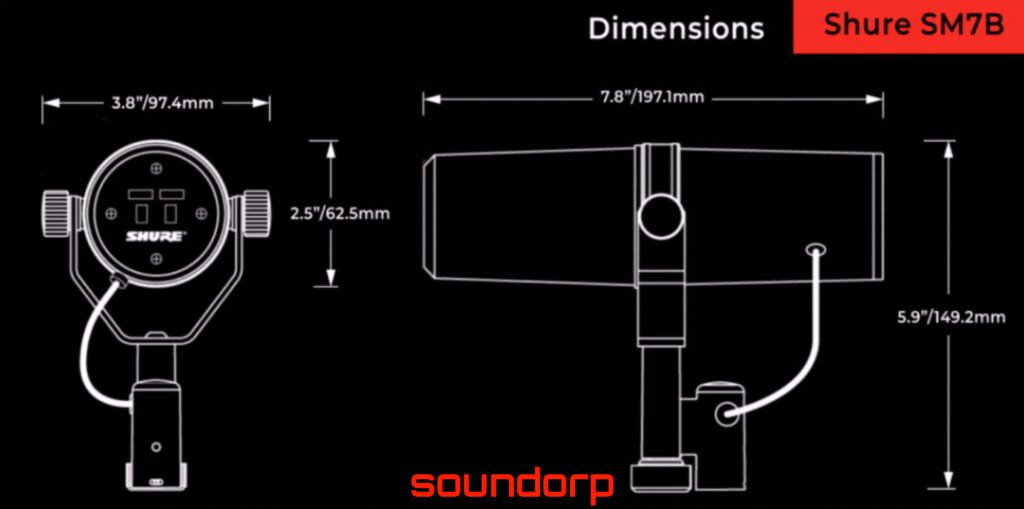
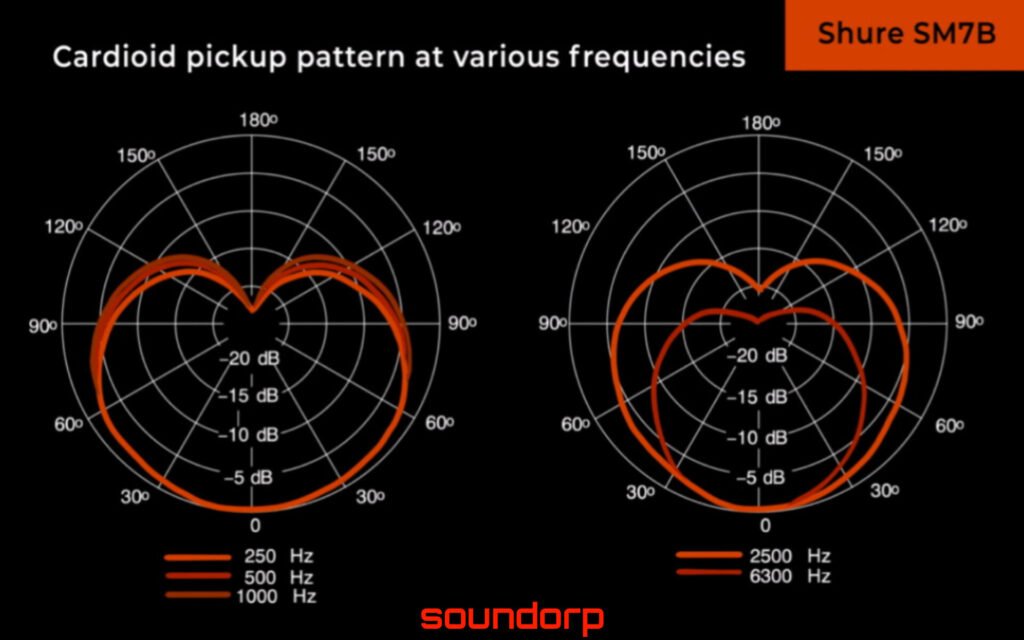
That design choice is why it works so well for singers who move, shout, whisper, or overload condensers.
On Gearspace, engineers repeatedly mention that the SM7B hides room reflections better than most condensers.
I have seen the same thing in my own sessions.
Less room bounce. Less sibilance. Less editing later.
SM7B vs SM7dB in tiny sentences
• SM7B needs lots of clean gain
• SM7dB fixes that with a built-in preamp
• Same sound. Different workflow.
If your interface struggles past 55 dB of gain, the SM7dB saves time and noise.
Best use cases
• Untreated bedrooms
• Loud singers
• Podcast plus vocal recording
⚠️ Reality check
Soft singers need good mic technique here. This mic rewards closeness.
AKG C414 XLII
Direct answer first
Best vocal microphone for studios that record many voice types.
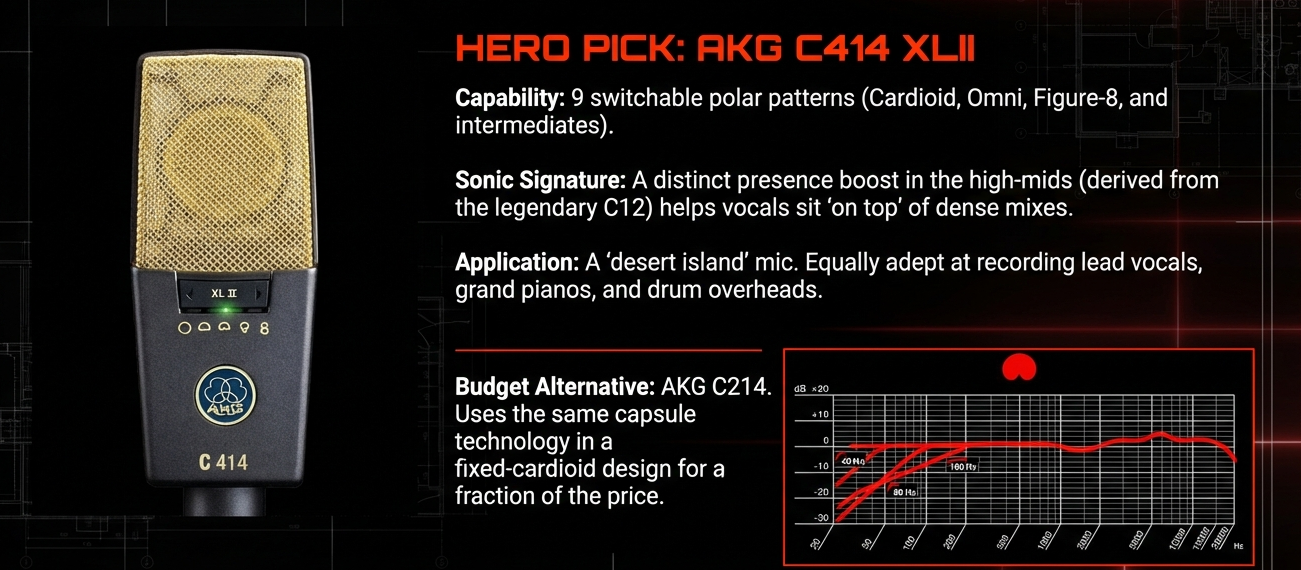
This mic earns its place through flexibility and consistency.
I have used the 414 XLII in treated rooms where one mic had to handle male vocals, female vocals, and spoken word back to back.
It worked every time.
AKG documentation confirms the XLII tuning boosts presence and air compared to the neutral XLS version.
That extra presence helps vocals sit forward in dense mixes.
Real world studio engineers on Gearspace often describe the XLII as a safe vocal choice when the singer is unknown.
I agree.
Multiple polar patterns change everything.
• Cardioid for standard vocals
• Figure eight for room control
• Omni for natural tone in great spaces
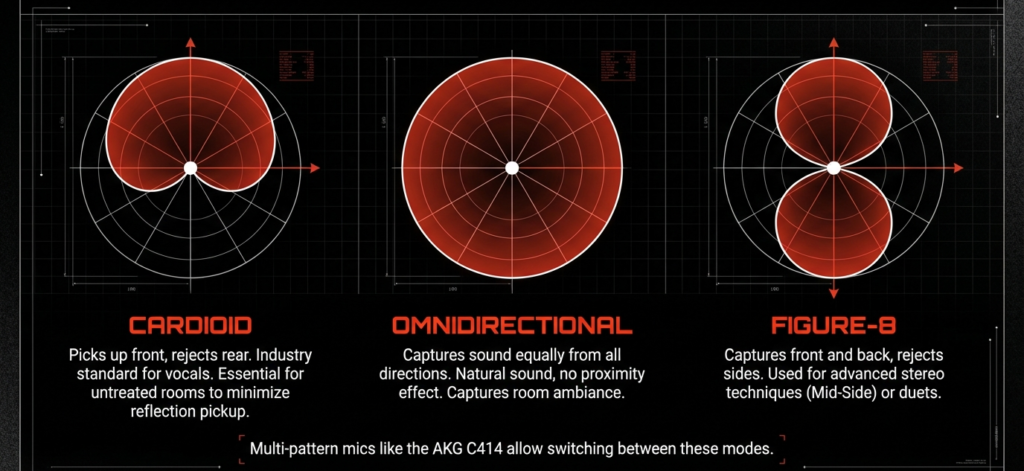
This mic rewards good rooms and good gain staging.
It does not forgive bad acoustics.
Best use cases
• Treated studios
• Pop and RnB vocals
• Engineers who need flexibility
🎤 Personal note
I trust this mic when time is limited and expectations are high!
Shure SM58
Direct answer first
Best low-risk microphone for vocals when conditions are bad.
Short answer.
SM58 survives everything and sounds good on almost anyone.
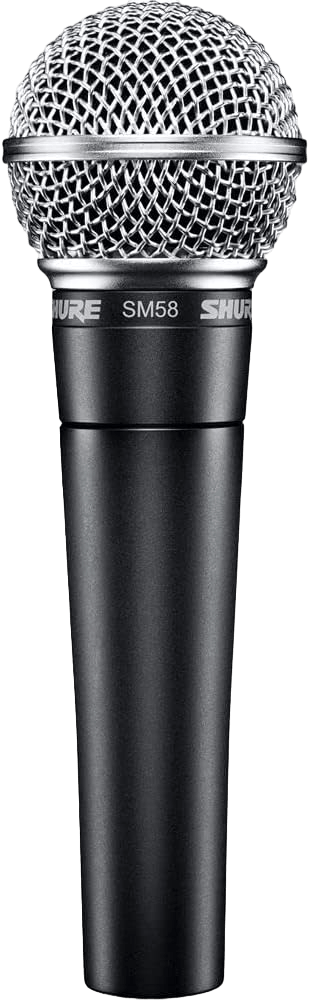
People underestimate this mic because it is everywhere.
That is a mistake.
The SM58 uses the same capsule lineage as the SM7B but with a simpler housing.
Shure confirms this in their product history and design notes.
In my experience, the SM58 works shockingly well for vocals when condensers fail.
• Noisy room
• Cheap interface
• Bad singer mic control
This mic keeps delivering usable takes.
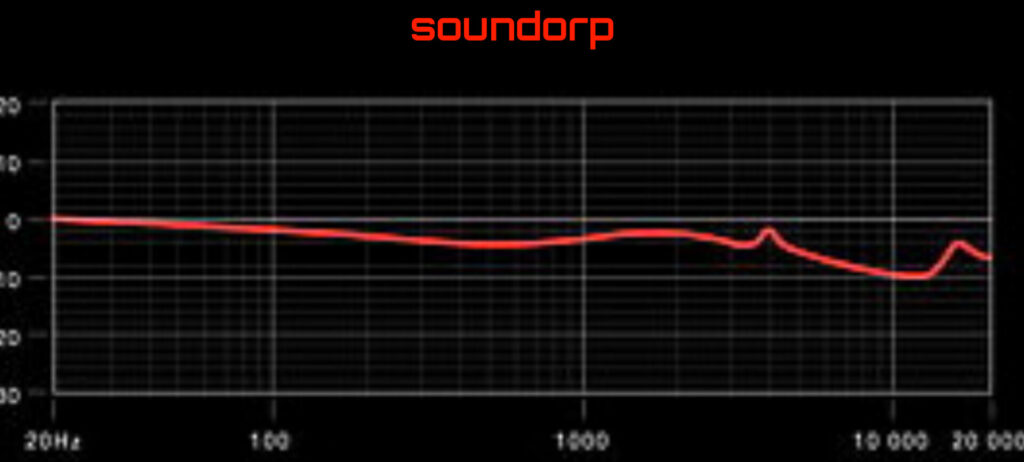
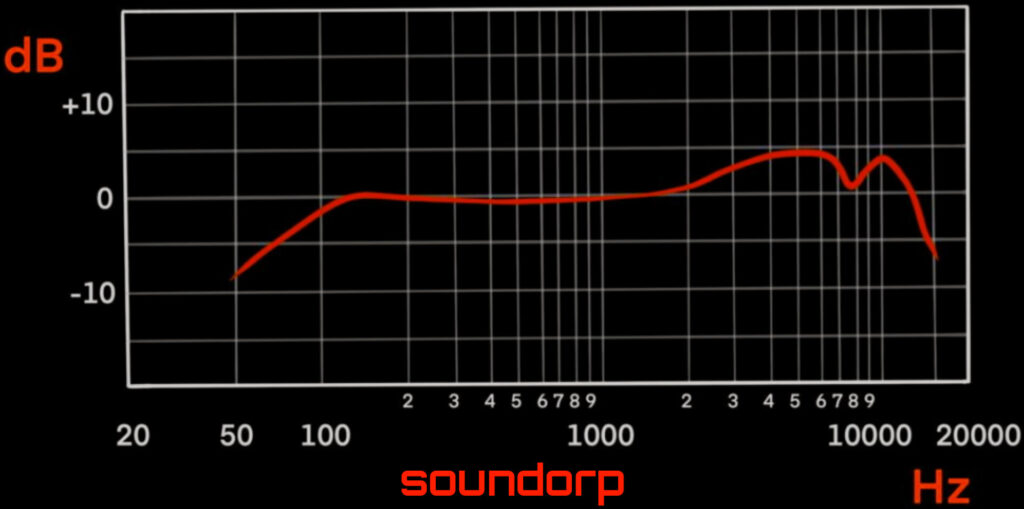
On Reddit recording threads, many engineers admit they prefer the SM58 over budget condensers in untreated spaces.
I see why.
It rejects room noise aggressively and handles plosives naturally.
Yes, it lacks top-end sparkle.
That also means less harshness.
Best use cases
• Rock vocals
• Scratch vocals that become final vocals
• Beginners who need consistency
🔥 Honest insight
I have kept SM58 vocal takes in final mixes more times than I expected.
Audio Technica AT2020
Direct answer first
Best inexpensive microphone for vocals when the room is controlled.
This mic became popular for a reason.
Audio Technica’s published specs show a clean frequency response with a noticeable upper mid lift.
That lift adds clarity.
It also adds risk.
In good rooms, the AT2020 sounds open and present.
In bad rooms, it captures everything.
Early reflections. Fan noise. Street sounds.
Forum discussions on Gearspace and Quora consistently warn about this.
My own tests confirmed it.
This mic demands basic room treatment.
Foam panels. Curtains. Distance control.
Best use cases
• Beginners on a budget
• Soft to medium vocals
• Simple home studios
⚠️ Practical warning
If your room echoes, this mic will expose it fast!
Rode NT1 / NT1 Signature
Direct answer first
Best vocal microphone for clean, quiet, modern recordings.
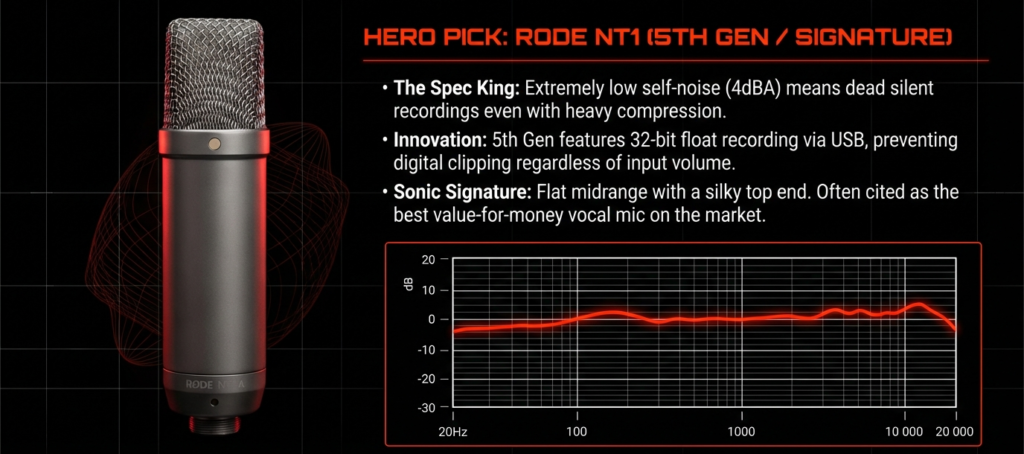
The NT1 earns respect for one reason.
It stays silent.
Rode publishes a self noise figure of around 4 dBA for the NT1 line, and independent tests from Sound On Sound confirm it.
That matters more than people realize.
If you record soft singers, breathy vocals, or intimate pop takes, noise becomes obvious fast.
I noticed this the first time I tracked a whispery female vocal late at night.
No hiss. No floor noise creeping in. Just voice.
On Reddit home studio threads, users often say the NT1 exposes mistakes.
That is true.
This mic captures detail clearly and honestly.
• Mouth noise
• Pitch issues
• Room tone
It rewards good mic technique.
It punishes sloppy setups.
NT1 vs NT1 Signature in short form
• Same capsule family
• Signature offers cosmetic changes
• Sound stays extremely similar
Best use cases
• Soft vocals
• Pop and acoustic music
• Clean vocal stacks
🙂 Personal insight
I trust this mic when I want zero surprises in post.
Lewitt LCT 440 PURE
Direct answer first
Best modern sounding vocal mic under mid range pricing.
Lewitt does not follow vintage voicing.
They tune for clarity and speed.
Lewitt’s own technical papers show a fast transient response and a controlled presence lift.
In real terms, vocals cut through without harshness.
I first tried the LCT 440 PURE after seeing repeated praise on Gearspace from engineers comparing it to much pricier condensers.
The hype held up.
This mic delivers a forward vocal tone that works instantly in mixes.
No heavy EQ needed.
On Quora, several users describe it as clean and honest without sounding thin.
I agree.
It handles plosives well and keeps sibilance under control compared to many budget condensers.
Best use cases
• Content creators
• Home studios with light treatment
• Clear lead vocals
🔥 Studio takeaway
This mic saves time during mixing!
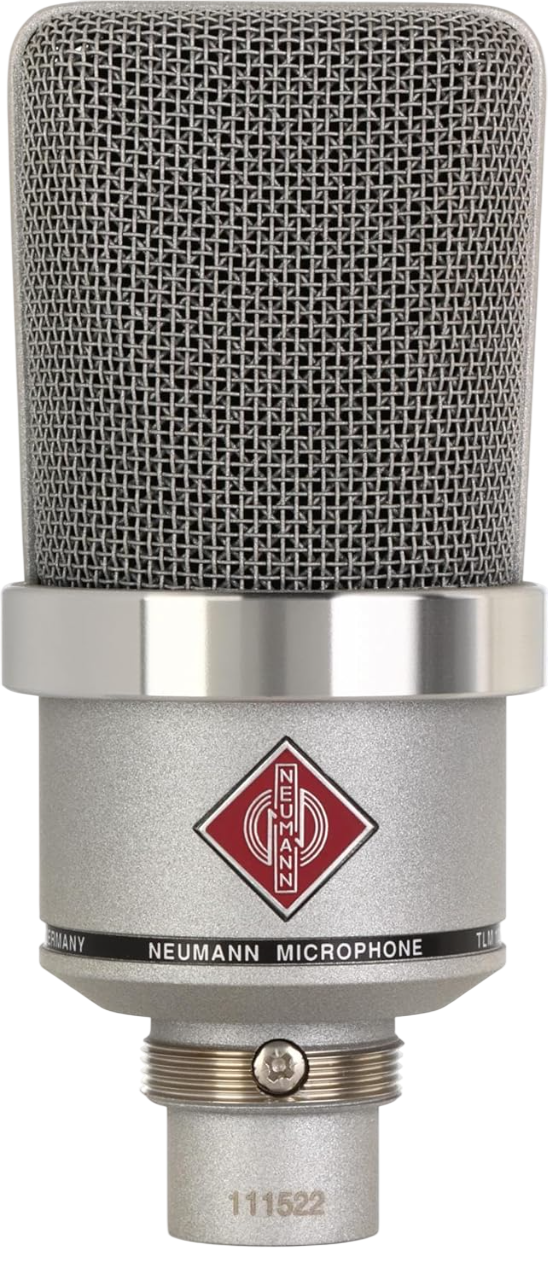
Neumann TLM 102
Direct answer first
Best entry point into true high end vocal microphones.
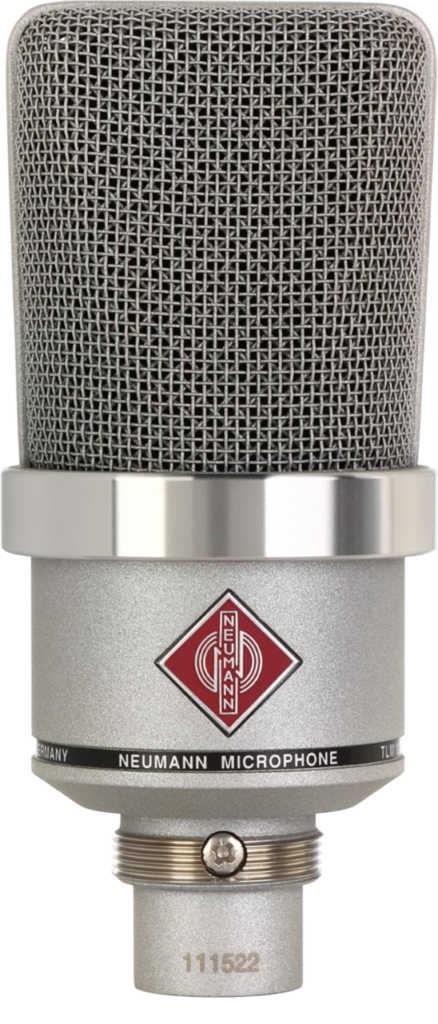
Neumann built its reputation on consistency.
The TLM 102 follows that philosophy.
Neumann documentation confirms a transformerless circuit and a presence tuned capsule designed for vocals.
In sessions, the sound feels immediate.
Vocals sit forward naturally.
I noticed this when comparing it directly against mid range condensers.
Less EQ. Less compression. Faster results.
On Gearspace, engineers often describe the TLM 102 as forgiving yet detailed.
That matches my experience.
It handles loud vocals well and does not collapse under pressure.
It also stays smooth on high notes.
Best use cases
• Professional home studios
• Vocal focused music
• Engineers upgrading from budget condensers
🎙️ Honest note
This mic makes singers sound confident fast!
High end vocal microphones most people don’t talk about but should
These microphones show up less in beginner lists.
They show up a lot in serious studios.
I have used both in controlled rooms with experienced singers.
They behave differently from typical condensers.
That difference matters.
Lewitt LCT 1040
Direct answer first
Best vocal microphone for shaping tone at the source.
This mic gives control before the signal hits the DAW.
Lewitt’s official documentation confirms a dual circuit design.
Tube path.
FET path.
Continuous blend control.
That matters because tone decisions happen early.
I tracked a soul vocalist on this mic and adjusted the tube blend during the session.
No plugins.
No guessing later.
The vocal sat perfectly before mixing even started.
On Gearspace, engineers often describe the LCT 1040 as a problem solver for picky voices.
I felt the same.
Bright singers soften naturally.
Thin voices gain weight.
Best use cases
• High end vocal production
• Studios that print tone early
• Engineers who commit during tracking
🎛️ Real insight
This mic reduces plugin dependency fast!
Lewitt Pure Tube
Direct answer first
Best modern tube microphone for clean warmth.
Tube mics often exaggerate problems.
Noise. Heat. Inconsistency.
Lewitt took a different approach.
Manufacturer specs and independent lab tests confirm low noise performance for a tube design.
That shows in sessions.
I tracked pop and indie vocals without fighting hiss or low end mud.
Reddit studio threads often mention how controlled this mic feels compared to vintage style tube microphones.
I agree.
The tone stays warm but focused.
No bloated lows.
No smeared highs.
Best use cases
• Emotional vocal performances
• Pop and indie vocals
• Clean tube character
😊 Personal note
This mic keeps the vibe without technical headaches!
Which microphone should you choose for vocal recording
This section answers fast decisions.
No theory.
Just outcomes.
| Scenario | Recommended Mic |
|---|---|
| Podcast plus singing | SM7dB |
| Soft vocals | Rode NT1 |
| Budget home studio | AT2020 |
| Professional vocals | Neumann TLM 102 |
If your room is untreated
Direct answer
Choose dynamic microphones.
They reject reflections.
They control plosives.
They forgive mistakes.
• Shure SM7B
• Shure SM7dB
• Shure SM58
If you want the cleanest modern vocal sound
Direct answer
Choose low noise condensers.
They capture detail clearly.
They stack well.
They mix easily.
• Rode NT1
• Rode NT1 Signature
• Lewitt LCT 440 PURE
• Neumann TLM 102
If you are on a tight budget
Direct answer
Control the room first.
Then choose reliable mics.
• Audio Technica AT2020
• Shure SM58
💡 Real advice
A cheap mic in a treated space beats an expensive mic in a bad room!
Common vocal recording mistakes that make good microphones sound bad
These mistakes show up constantly.
I see them on Reddit.
I hear them in mixes sent to me.
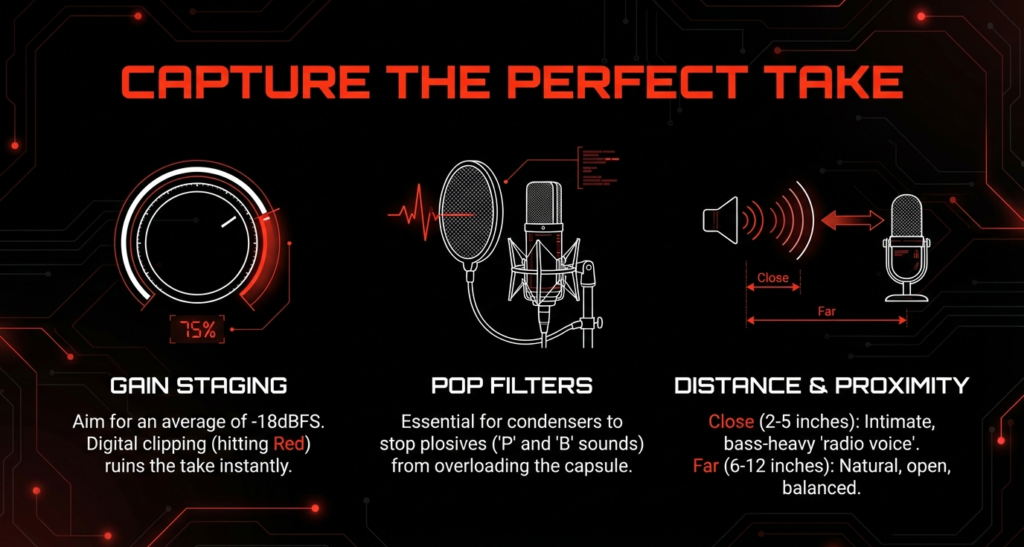
• Standing too far from the microphone
Distance kills presence.
Stay close.
• No pop filter
Plosives ruin takes.
Fix it early.
• Recording too hot
Clipping destroys detail.
Leave headroom.
• Ignoring room reflections
Bare walls ruin clarity.
Use curtains or panels.
• Bad gain staging
Noise increases.
Dynamics suffer.
FAQ Best microphones for recording vocals
These answers match real search intent.
Short. Direct. Honest.
What is the best microphone for recording vocals at home
Shure SM7B or Rode NT1.
Choose based on room quality.
What is the best inexpensive microphone for vocals
Audio Technica AT2020 or Shure SM58.
Room control decides the winner.
Is a condenser or dynamic mic better for vocal recording
Dynamic for untreated rooms.
Condenser for treated rooms.
Do expensive microphones really sound better for vocals
Yes when the room and technique match.
Otherwise the difference shrinks fast.
Can I record professional vocals without acoustic treatment
Yes with dynamic microphones.
Treatment improves results every time.
At the end of the day, Selecting the right Mic matters. So select wisely
There are some affiliate links on this page that will redirect you directly to the original products and services. Also by buying through those links you will be supporting us. So thank you ^.^
Related Posts
- Best microphones for recording vocals
- Best iPhone Microphone for Video
- Best USB Microphone Models Under $150
- Large Diaphragm Condenser Microphone: Top 10 in the Market
- Parabolic Microphone
- Blue Yeti Microphone Review: Hidden Truth
- Maono Microphone Review
- Ribbon Microphone: The Top 10 in the Market
- Best Under $100 Condenser Mic
- Best of the Most Expensive Microphones to Buy
- Best Cardioid Dynamic Microphone
- Different Types of Microphones and Their Features