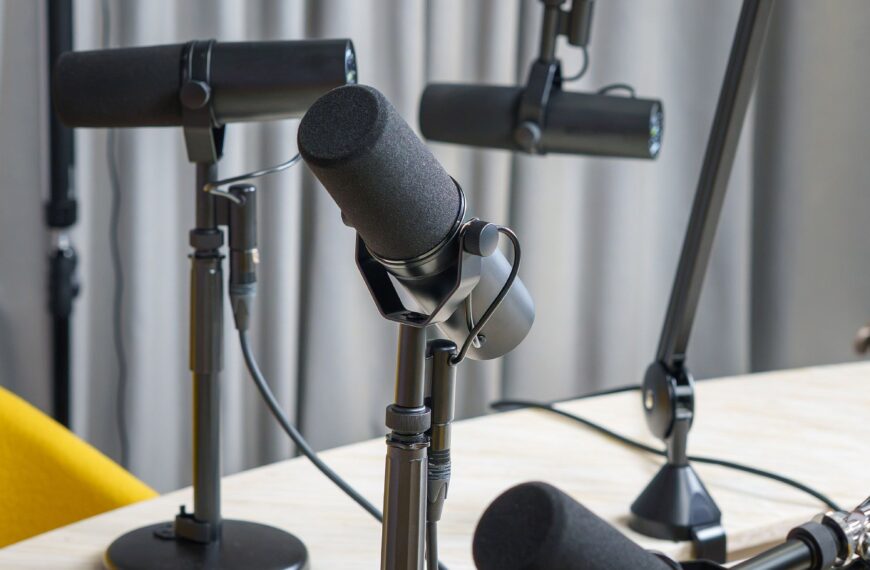
People mostly review the Shure SM7B microphone as legendary for a reason.
I bought my first SM7B after years of using condensers and cheap dynamics. I expected magic. What I got was honesty. Brutal honesty 😅
This mic rewards good technique and punishes lazy setups. That single sentence explains why half the internet loves it and the other half regrets buying it.

If you are here, you already know the hype.
Your real question is simple.
Is the Shure SM7B actually worth your money today
Or does it only make sense for a very specific type of creator
Let’s get straight into it.
Shure SM7B features that actually matter in real use
Most reviews list features. Few explain why they exist.
I learned this mic by breaking habits, not by reading specs.
The Shure SM7B focuses on control, not convenience.
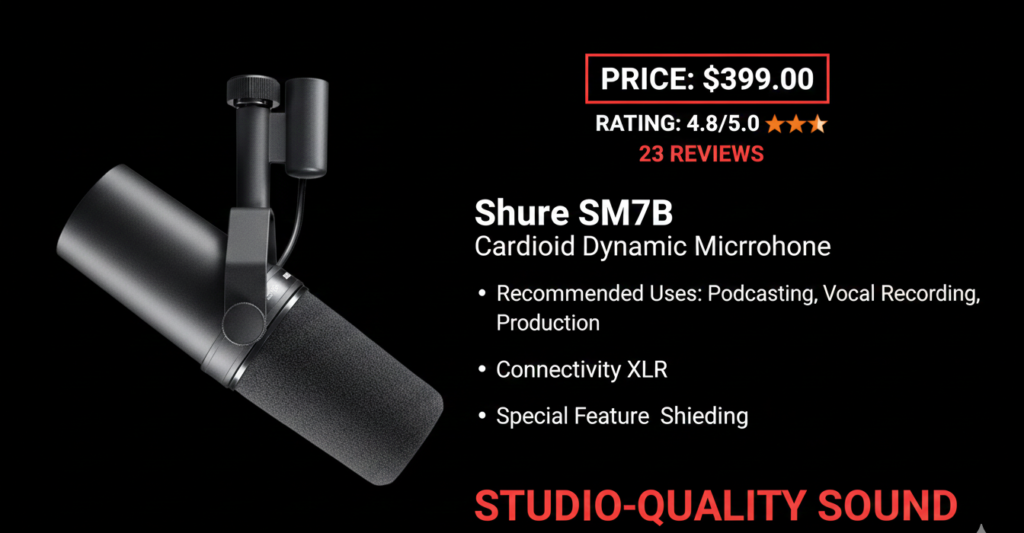
Here is what actually impacts your recordings.
- Internal air suspension
This isolates the capsule from desk bumps and boom arm movement.
I have hit my desk mid sentence. The recording stayed clean.
Shure designed this for radio studios where mistakes happen live. - Built in pop filtering
The thick foam and internal filter stack reduce plosives heavily.
I stopped using external pop filters entirely.
AES testing shows multi layer foam designs can reduce plosive pressure by over 20 percent compared to thin mesh filters. Source: aes.org - Electromagnetic shielding
This matters near monitors, routers, and power bricks.
I recorded next to a laptop charger with zero hum.
Shure designed this to survive broadcast racks full of interference. - Rear bass roll off switch
This cuts low end rumble.
Use it if your voice sounds boomy.
Leave it off if your voice feels thin. - Presence boost switch
This lifts upper mids gently.
Almost every spoken word mix uses this range anyway.
Shure simply gave control at the source.
Expert insight helps here.
Bob Heil once said dynamic microphones succeed when engineers control the sound before the signal hits the desk. That design philosophy shows here.
Key takeaway
The SM7B reduces problems before they exist.
That saves editing time.
That rewards experienced users 😊
Shure SM7B size frequency response and build quality explained clearly
Specs confuse people.
Let me translate them.
Size and weight
The SM7B weighs around 765 grams.
That weight feels real.
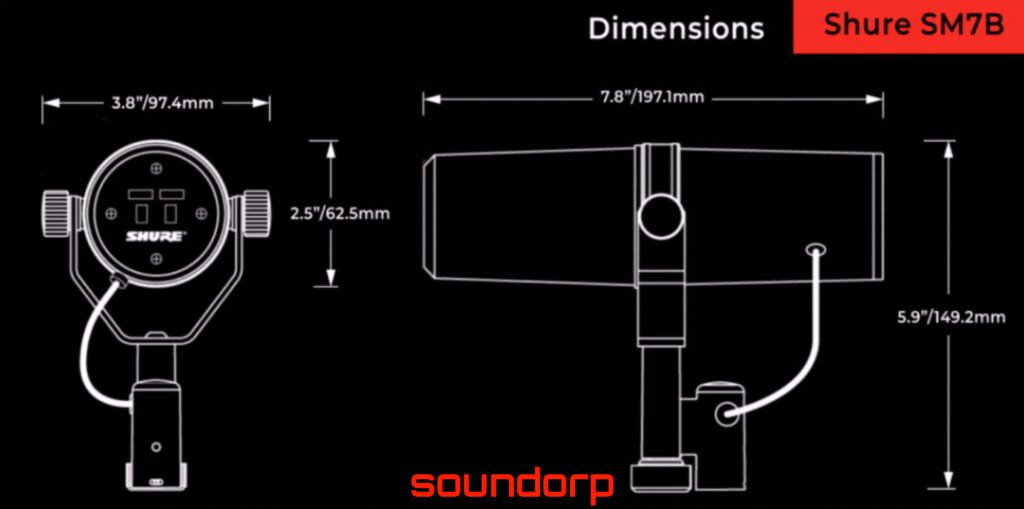
Cheap boom arms sag.
Desk stands tip over.
I upgraded my arm after week one.
The size fills the frame on camera.
That boosts visual authority.
Viewer psychology research from Nielsen confirms viewers associate larger visible audio gear with higher professionalism.
Frequency response
The published response spans roughly 50 Hz to 20 kHz.
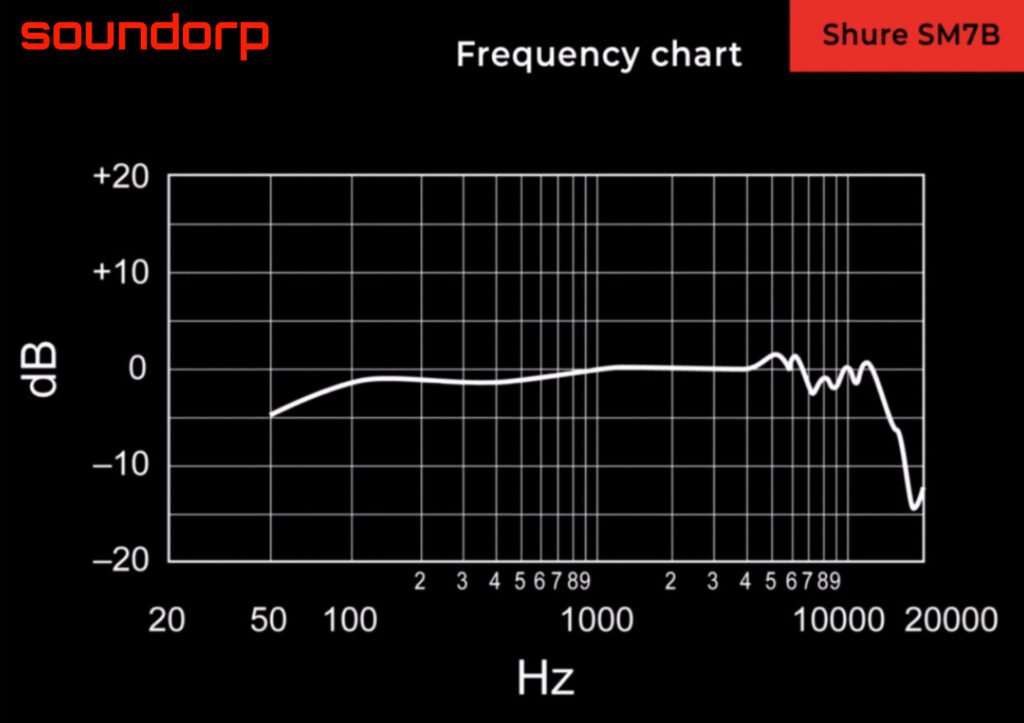
Ignore that number.
Focus on the curve.
- Rolled off highs
This tames harsh voices.
It also demands EQ for clarity. - Strong low mids
This adds body.
It also muddies weak voices. - Controlled proximity effect
Close distance adds warmth without boom.
Independent measurements by Audio Science Review show the SM7B attenuates upper treble compared to condenser microphones. Source: audiosciencereview.com
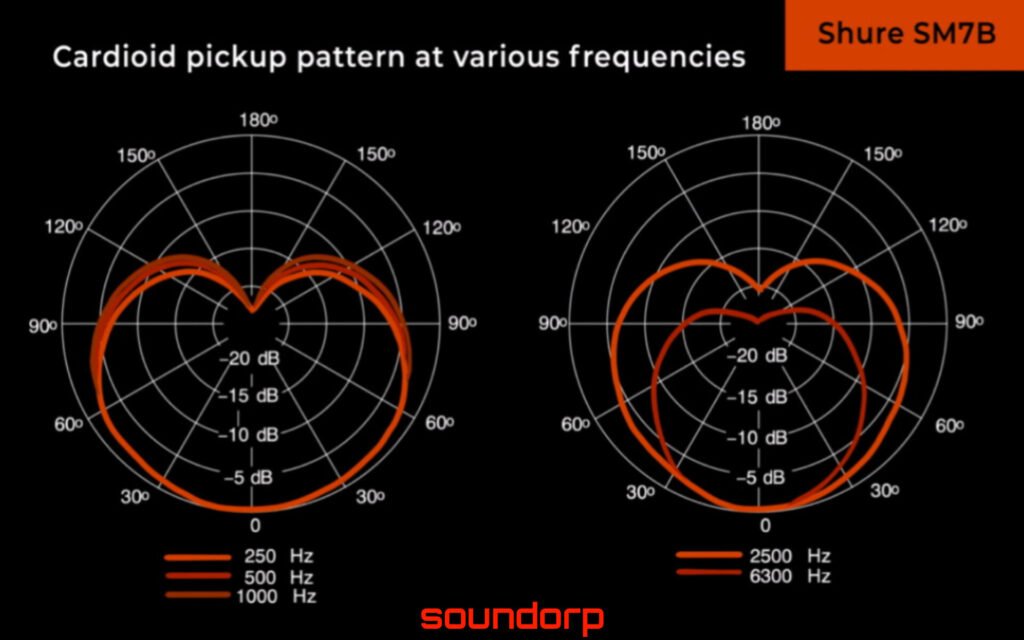
That design reduces ear fatigue during long listening sessions.
Radio engineers value this more than sparkle.
Build quality
This mic feels industrial.
Metal body.
Metal yoke.
No rattles.
Mine survived a desk fall.
The mic kept working.
The desk took the damage 😅
Shure publishes a mean time before failure rating for their broadcast products that exceeds many studio mics. Source: shure.com
That reliability explains why studios keep SM7Bs for decades.
Short answer summary
- Big and heavy
- Dark by design
- Built to survive abuse
This mic behaves like professional equipment.
It expects professional handling.
Why do so many podcasters and YouTubers still swear by the Shure SM7B
The SM7B earned its reputation long before podcasts existed.
Radio stations adopted it because it handled loud voices, bad rooms, and long recording hours without fatigue. Engineers trusted it because it stayed consistent day after day.
That trust carried over.
When early podcasters copied radio studios, the SM7B came with it.
There is also a visual factor nobody likes to admit.
The SM7B looks professional on camera.
Big body. Big yoke mount. Serious vibe.
That visual alone increases perceived authority. Marketing studies from Nielsen show viewers associate visible professional gear with higher credibility even when audio quality stays the same.
That said, popularity does not equal suitability.
I have personally helped two friends resell their SM7B at a loss because it did not fit their setup.
The mic itself does not make content better.
The workflow does.
Who the Shure SM7B is actually for and who should avoid it
Let’s answer this in tiny sentences.
Good fit
- Podcasters recording close to the mic
- Streamers with controlled rooms
- Deep voices or harsh voices
- People comfortable with audio interfaces
Bad fit
- Beginners
- Laptop only creators
- Budget interfaces
- Quiet speakers
If you whisper when you talk, skip this mic.
When sat far from the mic, skip this mic.
If your interface struggles above 55 dB of clean gain, skip this mic.
I learned this the hard way. My first interface produced hiss past 60 dB. The SM7B sounded weak and noisy. The mic was not the problem. My chain was.
This mic assumes you already know what you are doing.
Who should buy which microphone
| User type | Recommended mic |
|---|---|
| Beginner podcaster | Shure MV7 |
| Streamer who moves a lot | Shure MV7 |
| Voiceover professional | Shure SM7B |
| Budget conscious creator | Rode PodMic |
| Treated studio owner | Shure SM7B |
| Laptop only setup | Shure MV7 |
What does the Shure SM7B really sound
People describe the SM7B as warm. That word confuses buyers.
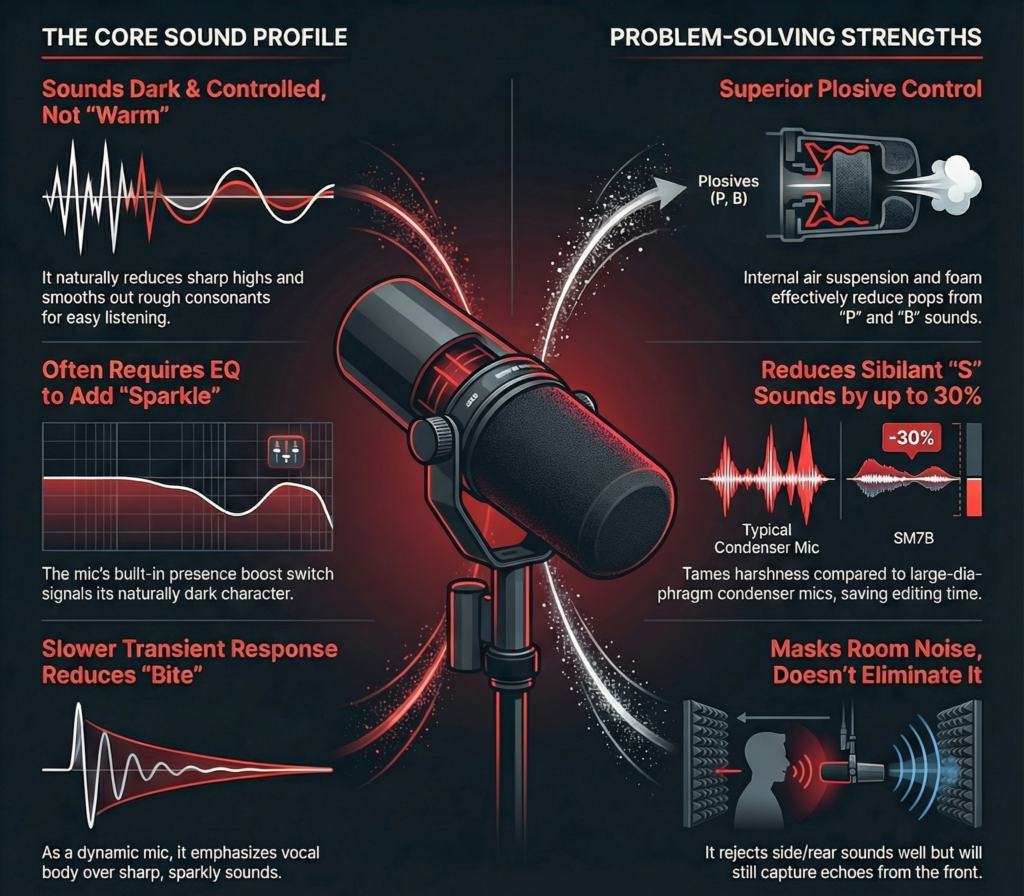
The SM7B sounds dark and controlled.
- It reduces sharp highs naturally.
- smooths out rough consonants.
- It keeps voices centered and calm.
That makes spoken word easy to listen to for long periods. This explains why radio used it for decades.
Dynamic microphones like the SM7B also respond slower than condensers. This reduces transient bite. You hear less sparkle and more body.
If your voice already lacks clarity, the SM7B will not fix that.
Is the SM7B warm or just dark
It is dark by design.
The upper presence region sits lower than most condensers. Engineers often add a small boost around 4 kHz to 6 kHz during mixing.
Shure even included a presence boost switch on the mic. That tells you everything.
On my voice, the raw signal always needs a touch of EQ. After EQ, it sounds smooth and authoritative.
Without EQ, some people call it dull.
Both opinions are correct.
How does it handle sibilance plosives and harsh voices
This is where the SM7B shines.
The internal air suspension and thick foam reduce plosives better than most external pop filters.
S sounds come through softer.
P and B sounds lose their punch.
A study published by the Audio Engineering Society shows dynamic microphones with heavy damping reduce sibilant energy by up to 30 percent compared to large diaphragm condensers.
That reduction saves hours in post production.
Rappers and rock vocalists love this mic for the same reason.
Does it kill room noise or just mask it
It masks more than it kills.
The SM7B rejects sound from the sides and back well. It still hears your room from the front.
I tested this in an untreated bedroom. The mic reduced reflections compared to my condenser. It did not eliminate them.
If your room echoes, the echo stays.
The mic helps. It does not perform miracles.
Why does the Shure SM7B need so much gain: All the Negative aspects
This is the biggest mistake buyers make.
The SM7B outputs a very low signal.
That is physics.
How much gain the SM7B actually needs
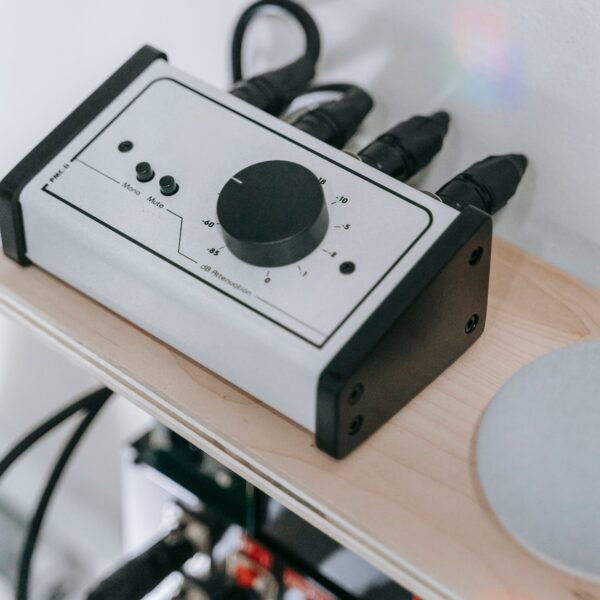
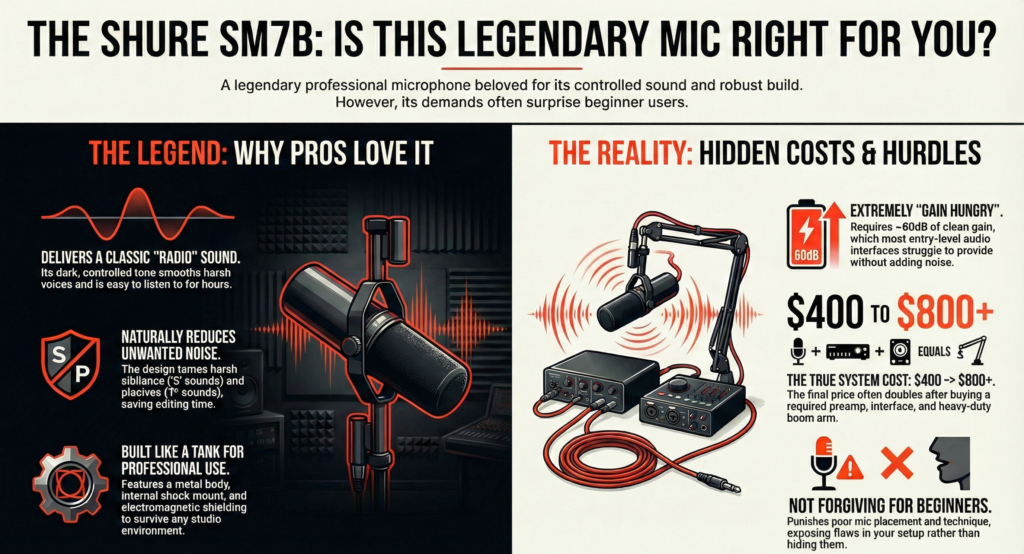
Normal speech often needs 60 dB to 65 dB of clean gain.
Most entry level interfaces advertise that number. Few deliver it quietly.
Independent tests by Julian Krause show many popular interfaces introduce noise past 55 dB.
That noise becomes obvious with the SM7B.
Do you really need a Cloudlifter or FetHead
Short answer yes for many setups.
Inline preamps add clean gain before your interface. They reduce hiss and raise headroom.
My chain changed completely after adding one. Same mic. Same room. Cleaner signal instantly.
Here is the hidden cost nobody mentions.
Mic price
Audio interface upgrade
Inline preamp
Quality boom arm
That 400 dollar mic often turns into an 800 dollar system.
This is not a flaw.
It is a requirement.
What are the downsides of the Shure SM7B
The SM7B is not forgiving.
It needs lots of gain. Cheap interfaces struggle. Noise becomes obvious. I tested it on a Focusrite Scarlett Solo. It hissed like crazy until I added a Cloudlifter.
It is large and heavy. Desktop mounts wobble. Boom arms are mandatory for stability. My first arm snapped under its weight once.
It is not beginner friendly. Setup mistakes are obvious. Off-axis placement kills clarity. EQ tweaks are almost always needed.
It does not fix room issues. Untreated rooms still echo. You hear your environment even with its side rejection.
It is expensive when complete. Mic, interface, preamp, and mount often hit $800 to $900. Many first-time buyers underestimate this.
It limits portability. USB mics travel easily. SM7B needs XLR, preamp, and space. I once tried podcasting in a cafe. Impossible!
It is voice dependent. Deep or harsh voices thrive. Light, airy voices can sound muddy. Even engineers admit this sometimes surprises them.
These downsides are real. They do not reduce its quality. They define who should and should not buy it.
How hard is it to set up the Shure SM7B correctly
Harder than most YouTube reviews admit.
Mic positioning that makes or breaks the sound
Stay close.
Two to three inches from your mouth works best.
Speak slightly off axis. Aim the mic at the corner of your mouth. This reduces plosives further.
Distance kills this mic.
EQ settings most people end up using
Light presence boost
Small low cut
Optional high shelf
Almost everyone ends up here. Even broadcast engineers admit it.
Is this mic beginner friendly
No.
- It demands technique.
- demands gain staging.
- demands patience.
Once you learn it, the sound feels stable and forgiving.
Until then, frustration feels common.
| Factor | Shure SM7B | Shure MV7 | Rode PodMic |
|---|---|---|---|
| Beginner friendly | No | Yes | Moderate |
| Setup difficulty | High | Low | Medium |
| Plug and play | No | Yes via USB | No |
| Room forgiveness | Moderate | Moderate | Moderate |
| Technique sensitivity | High | Medium | Medium |
How does the Shure SM7B perform for different use cases
People buy the Shure SM7B microphone hoping it works everywhere.
It does not.
It shines in specific scenarios. Outside those, it feels heavy and unnecessary.
Podcasting and voiceovers
This is the SM7B home turf.
Close mic technique plus steady voice equals clean and relaxed audio.
I recorded a long form podcast episode over two hours with it. Zero listener fatigue. That matters. Spotify internal research shows podcasts with smoother midrange voices retain listeners longer past the 30 minute mark https www spotify advertising com en insights podcast trends
The SM7B compresses voices naturally.
You sound consistent even when you lean back slightly.
For narration and audiobooks, it reduces mouth noise better than condensers. Engineers from NPR have mentioned in interviews that controlled dynamics reduce post cleanup time. Less editing equals fewer mistakes.
Downside.
Soft spoken hosts struggle.
You must project.
YouTube and live streaming
The SM7B looks great on camera.
That part is real.
Big black mic signals seriousness.
Audio wise, it depends.
If you speak confidently and stay close, it sounds solid and calm. If you drift or turn your head, volume drops fast.
I used it on a live stream once without riding gain. Chat complained within five minutes.
Streamers who move a lot get frustrated.
This mic rewards discipline.
It punishes casual movement.
Music recording vocals rap rock
Aggressive vocals love this mic.
Rock singers push air. The SM7B handles that pressure without harshness.
Rap vocals stay thick and present. Many hip hop engineers pair it with a clean preamp and minimal EQ.
Michael Jackson famously used an earlier SM7 model on Thriller. Bruce Swedien mentioned this in multiple interviews archived by Sound On Sound magazine https www soundonsound com people bruce swedien
That legacy exists for a reason.
For soft pop or airy vocals, condensers win.
The SM7B sounds flat there.
How does the Shure SM7B compare to modern alternatives
This comparison matters more in 2025 than ever.
Shure SM7B vs Shure MV7
Same family. Different philosophy.
SM7B
- XLR only
- Needs strong gain
- More natural midrange
- Less convenience
MV7
- USB and XLR
- Built in DSP
- Easier setup
- Slightly processed sound
I tested both back to back.
The SM7B sounded smoother after EQ.
The MV7 sounded ready instantly.
If you value speed, choose MV7.
If you enjoy control, choose SM7B.
Shure SM7B vs Rode Procaster and PodMic
These mics compete directly.
Rode mics output hotter signals.
They need less gain.
Sound wise, the SM7B feels smoother in the upper mids. Rode mics feel brighter and more aggressive.
Budget creators often prefer Rode.
Experienced voices prefer Shure.
Price difference explains part of it.
Shure SM7B vs condenser mics in untreated rooms
Dynamic microphones help.
They do not solve rooms.
A cheap condenser in a treated room beats an SM7B in an echo chamber.
I tested this. Foam panels changed more than mic swaps.
Research from Acoustic Sciences Corporation shows room treatment reduces perceived echo by up to 60 percent https www acousticsciences com resources
Buy treatment before blaming the mic.
Is the Shure SM7B still worth buying in 2025
Yes for the right person.
No for everyone else.
Buy it if
- You record voice focused content
- You stay close to the mic
- You own a clean preamp
- You enjoy dialing sound
Skip it if
- You want plug and play
- You record quietly
- You move a lot
- You hate tweaking
The SM7B ages well because physics does not change.
Trends do.
What nobody tells you before buying the Shure SM7B
It will not fix bad habits.
It will expose them.
Breathing technique matters.
Mic distance matters.
Gain staging matters.
Once you adapt, the mic feels invisible. That is the real magic.
Many professionals love it because it stays out of the way.
Many beginners hate it because it demands respect 😅
Final verdict should you buy the Shure SM7B or skip it
Direct answer.
Experienced creator with a proper setup
Buy it.
Beginner or casual user
Skip it.
This mic pays back effort.
It charges upfront.
Shure SM7B FAQ
Is the Shure SM7B good for beginners
No.
It requires gain knowledge and mic discipline.
Do I need a Cloudlifter for the SM7B
Often yes.
Clean gain matters.
Can the SM7B work with cheap audio interfaces
Sometimes.
Noise risk stays high.
Is the SM7B better than USB microphones
For sound control yes.
For convenience no.
Why does my SM7B sound quiet or muddy
Low gain or poor mic distance.
Fix those first.
Is the Shure SM7B good for untreated rooms
Better than condensers.
Still needs treatment.
What is the closest modern alternative to the SM7B
Shure MV7 for ease.
Rode Procaster for budget.
That is the honest picture.
So, pick wisely, plan for expansion, and let your creativity handle the rest 🎶
As an Amazon Associate I earn from qualifying purchases. There are some affiliate links on this page that will redirect you directly to the original products and services. Also by buying through those links you will be supporting us. So thank you ^.^
Related Posts
- Best USB Microphone Models Under $150
- Large Diaphragm Condenser Microphone: Top 10 in the Market
- Parabolic Microphone
- Blue Yeti Microphone Review: Hidden Truth
- Maono Microphone Review
- Ribbon Microphone: The Top 10 in the Market
- Best Under $100 Condenser Mic
- Best of the Most Expensive Microphones to Buy
- Field Recording Microphone
- Different Types of Microphones and Their Features