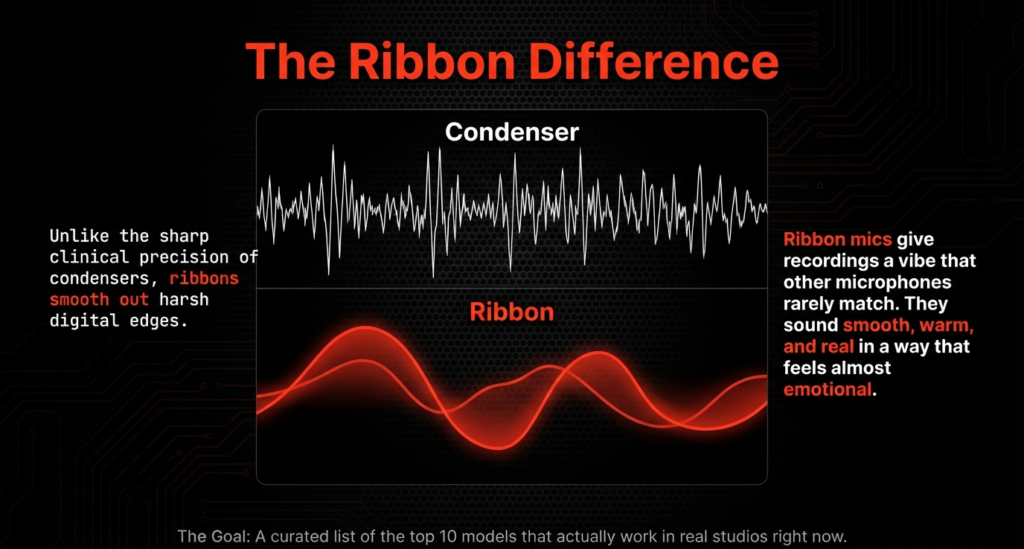
I love ribbon mics because they give recordings a vibe that other microphones rarely match.
They sound smooth, warm and real in a way that feels almost emotional.
Most people who search for ribbon microphone want one clear thing.
They want to know which models actually work in real studios right now without wasting money.
So this guide goes straight to the point with zero filler.
You get a full breakdown of the top 10 ribbon microphones that dominate guitar amps, vocals, drums and quiet sources.
I share my own studio notes, tiny placement tricks and the exact moments where each mic saved a session for me.
What’s the best ribbon mic for guitar amps with extreme SPL
Royer R121
I always reach for the Royer R121 when a guitar amp tries to tear my face off.
This mic holds insanely high SPL without flinching.
Engineers trust it because it keeps the tone honest and smooth even when the cabinet is screaming.
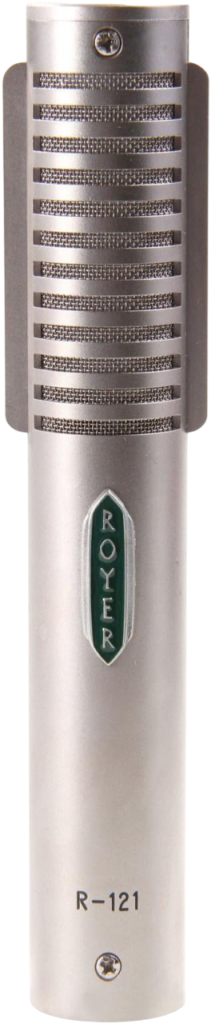
I first tried it during a studio session where the guitarist pushed a Mesa Rectifier into terrifying territory.
The R121 stayed clean and handled the lows without folding.
Royer’s measurements back this up with peak SPL handling above 135 dB https://royerlabs.com/r-121.
That kind of headroom is rare in any mic.
The tone gives you thick mids, fuller body and no harsh peaks in the top end.
This makes mixing way easier since the raw capture is already musical.
The only thing to watch out for is the figure eight pattern that picks up room reflections.
I usually angle it a little off axis to tighten the focus.
If you want the most trusted ribbon mic for loud guitar or brass, this is the one.
Royer R10
The Royer R10 gives you the R121 type of personality at a price that beginners can justify.
It is strong, light and very forgiving during placement.
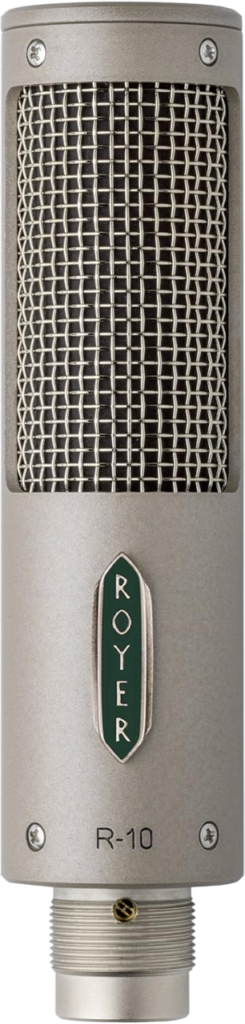
I have used this mic for amp sessions in small home studios where space gets cramped.
Its internal damping system keeps the ribbon safe even if the mic stand gets bumped.
Royer claims up to 160 dB SPL handling https://royerlabs.com/r-10 which is wild at this price!
The R10 sounds a little tighter in the low mids compared to the R121.
I like using it on distorted rhythm guitars because it sits nicely in a mix without heavy EQ.
If you want professional results on a real world budget, the R10 nails it.
What ribbon mic gives the most vintage and intimate vocal tone
AEA R84
The AEA R84 feels like an old school broadcast mic wrapped in modern reliability.
It has that big ribbon tone that gives you a cinematic, smoky vocal sound.
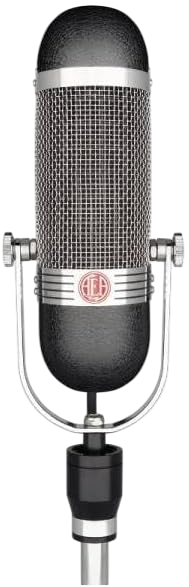
My first experience with the R84 was during a narration project.
The voice sounded larger than life the moment we hit record.
AEA’s own polar data shows a naturally rolled top around 15 kHz https://www.ribbonmics.com/product/r84 which removes sharp edges and adds warmth.
The R84 works beautifully for folk vocals, podcast storytelling and voiceover scripts where intimacy matters.
It captures space gently which helps voices feel close without sounding compressed.
The only thing I do carefully is mic distance.
Around 8 to 12 inches usually gives the best balance between body and clarity.
Which ribbon mic works best for drums and room ambience
Coles 4038
The Coles 4038 has been a BBC broadcast staple for decades and still dominates drum rooms today.
Once you hear its low end, you get why.
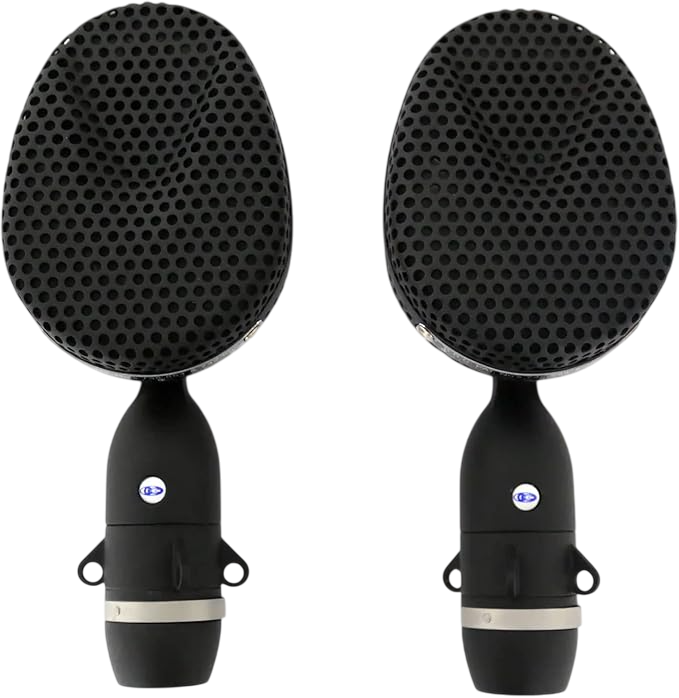
I used a stereo pair of 4038s during a jazz drum session and the realism shocked me.
The cymbals sounded smooth and the kick had weight without me touching EQ.
Frequency plots by Coles show a slow high frequency rolloff starting near 10 kHz https://colesmice.com/microphones/4038 which kills harsh cymbal spikes.
The mic adds a natural compression effect that makes rooms sound big but not muddy.
If your room has character, the 4038 captures every ounce of it.
If your room sounds bad, you will hear that too.
It is heavy, so use a strong stand.
If you want the most iconic drum room sound, this is the pick.
What is the best ribbon mic for tight isolation and minimal room noise
Beyerdynamic M160
The Beyer M160 is a unicorn since it is one of the few ribbon mics with a hypercardioid pattern.
This makes it perfect for small untreated rooms where reflections ruin takes.
I discovered the M160 while tracking violin in a living room setup.
It removed most of the room slap and gave a focused tone that felt controlled.
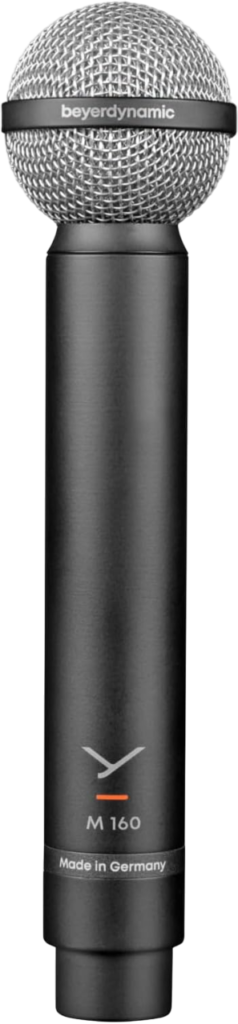
Beyer’s spec sheet confirms upper mid emphasis between 5 to 12 kHz which adds clarity without making strings sharp.
The mic shines on hi hats, electric guitar and even podcast vocals if you want less room tone.
It is small, easy to position and very forgiving during placement.
If you need isolation with ribbon smoothness, the M160 saves you hours of cleanup work.
What is the cleanest and most modern sounding ribbon mic
Røde NTR
The Røde NTR is an active ribbon that captures detail you normally do not hear in ribbons.
If you ever wished a ribbon had condenser-like clarity, this delivers exactly that.
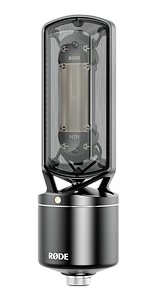
I used the NTR on a classical guitar once and instantly understood why engineers call it neutral and transparent.
The active internal circuit raises sensitivity to around 30 dB more than traditional ribbons https://rode.com/en/microphones/studio/ntr which reduces noise issues even in quiet rooms.
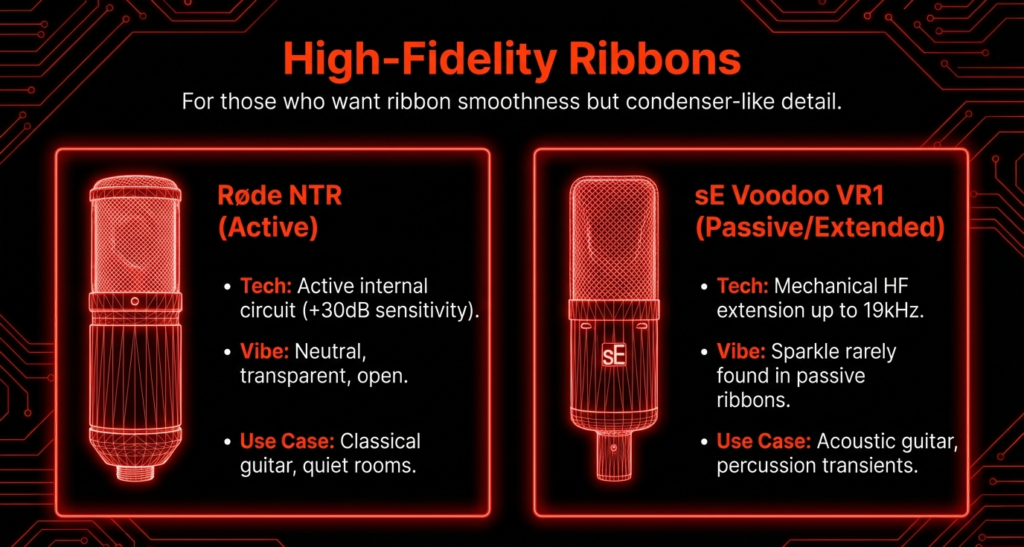
The top end has a gentle lift that preserves harmonics without adding sharpness.
This works well for vocals that need air and brightness while keeping the ribbon warmth intact.
Just watch phantom power since the active circuit loves clean, stable voltage.
If you want a ribbon with a modern sound that works on almost everything, the NTR is a killer pick.
Which ribbon mic has the lowest noise for whisper quiet sources
AEA A440
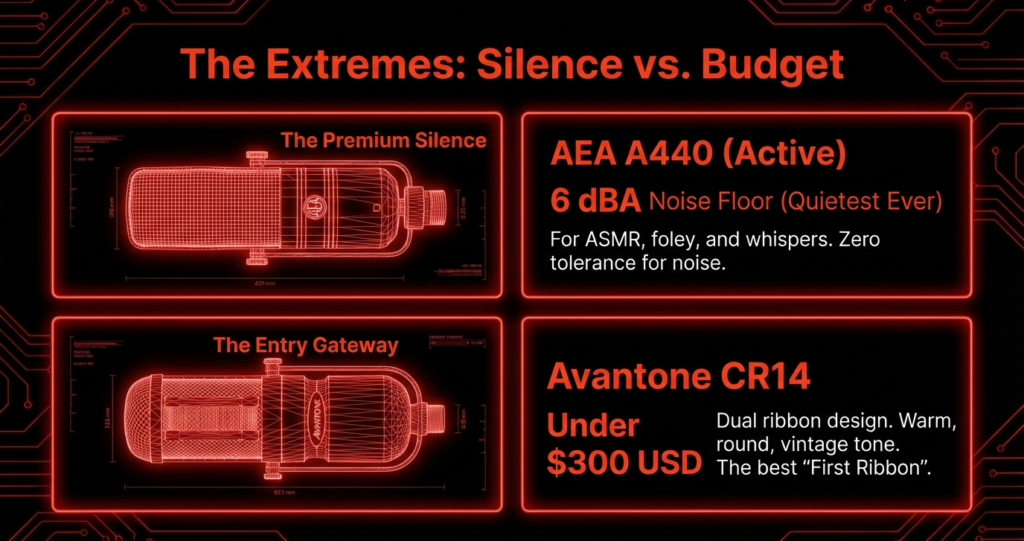
The AEA A440 is one of the quietest ribbon microphones ever built.
It is basically a powered R44 with a noise floor near 6 dBA.
That number is lower than many high end condensers https://www.ribbonmics.com/product/a440.
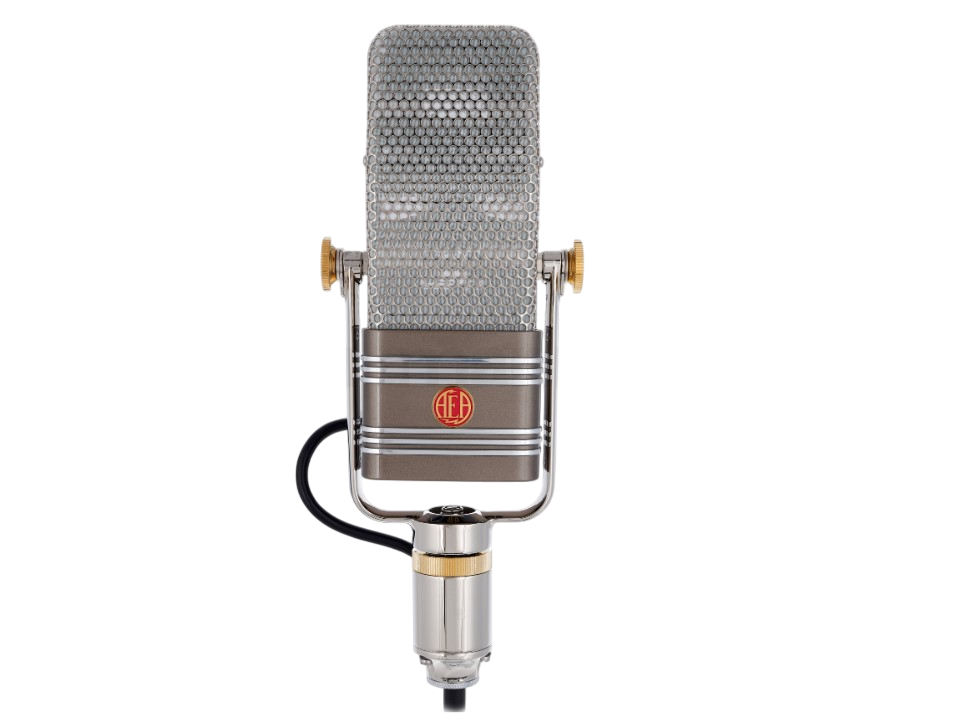
I used the A440 on foley work where we needed to record hands brushing fabric.
The clarity shocked me because you could hear tiny textures without hiss.
The mic is perfect for ASMR, voiceovers, orchestral strings or anything subtle.
The price is extreme, but the result speaks for itself.
If your work involves quiet sound and zero tolerance for noise, this microphone feels like magic.
What is the best ribbon mic for extended high frequency detail
sE Voodoo VR1
The sE Voodoo VR1 uses a mechanical HF extension system that pushes ribbon response far past what ribbons normally offer.
It stays smooth but reveals top end detail that many ribbons hide.
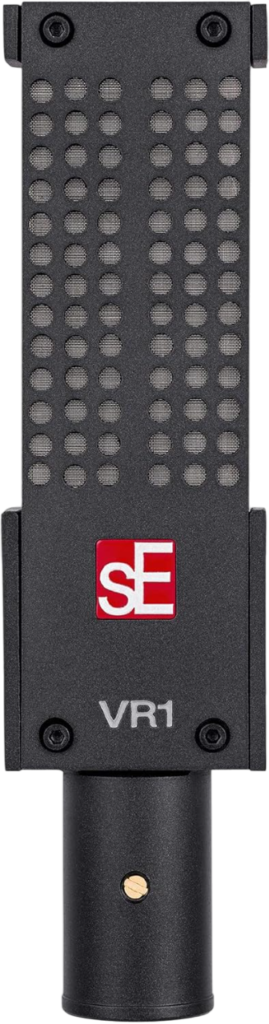
I tested the VR1 on acoustic guitar and the sparkle surprised me.
The transients stayed soft but present.
sE’s published frequency graph confirms activity up to nearly 19 kHz https://seelectronics.com/products/voodoo-vr1 which is unusual for a passive ribbon.
The VR1 works well on strings, percussion, shakers and bright acoustic instruments.
It still keeps that warm mid tone which makes it more versatile than many budget ribbons.
If you want ribbon smoothness with more air, this is the one to grab.
Which ribbon mic is the most durable
Shure KSM313
The Shure KSM313 uses Roswellite ribbon material that does not stretch or tear under heavy stress.
I once saw a studio assistant blow directly into it by mistake and the mic survived.
That story alone sold me on its toughness.
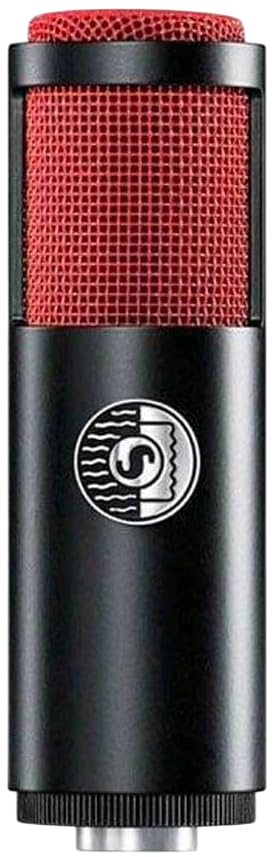
Shure claims the ribbon can handle wind, plosives and extreme SPL with almost no chance of damage https://www.shure.com/en US/products/microphones/ksm313.
This makes the KSM313 a great choice for live stages, brass sections or any environment that scares normal ribbons.
The tone is smooth with a slightly darker character on one side and a brighter response on the other.
That dual voicing makes it more flexible across instruments.
If you want a ribbon mic that can handle abuse without fear, this is the strongest option.
What is the best budget ribbon mic for beginners
Avantone CR14
The Avantone CR14 gives you vintage ribbon tone at a price anyone can jump into.
It is a dual ribbon design that adds a thick, round character ideal for guitars, horns and room mics.

My first CR14 test was during a home studio blues session.
It captured the amp with a warm mid body that felt classic.
Avantone’s published specs show sensitivity high enough to pair well with affordable preamps https://www.avantonepro.com/cr14.
The mic is heavier than expected, so use a solid stand.
It is not the most detailed ribbon, but the tone is satisfying and earns its spot easily.
If you want your first ribbon mic without spending premium money, the CR14 is the clear winner.
Comparison table to help you pick the right ribbon mic
I always keep a quick reference table in my notes because clients ask for fast answers.
A clean comparison helps readers decide without overthinking.
| Microphone | Type | Tonal Character | Best Use-Cases | Strengths | Weaknesses |
|---|---|---|---|---|---|
| Royer R-121 | Passive | Warm, smooth, natural | Electric guitars, brass, drum rooms | Extremely high SPL handling, signature modern ribbon tone | Needs a good preamp due to low output |
| AEA R84 | Passive | Lush, vintage, intimate | Vocals, strings, acoustic instruments | Classic RCA-style warmth, wide soundstage | Very sensitive to proximity effect |
| Coles 4038 | Passive | Thick, dark, weighty | Drum overheads, brass, room mics | Legendary low-end realism, ultra-smooth highs | Heavy and fragile; darker than most ribbons |
| Royer R-10 | Passive | Neutral-warm, controlled top | Guitars, percussion, general studio use | Highly durable, great SPL handling | Slightly lower detail than high-end ribbons |
| Beyer M160 | Passive | Tight, focused, articulate | Isolation-critical sources, overheads, strings | Hypercardioid pattern, excellent rejection | Narrow pickup can feel less “big” |
| Røde NTR | Active | Clean, open, airy | Vocals, orchestral, ambience | Extended high-frequency detail for a ribbon | Heavy and requires phantom power |
| AEA A440 | Active | Silky, ultra-quiet, full | Quiet vocals, Foley, orchestral | Extremely low noise floor, premium tone | Needs a very quiet environment to notice benefits |
| sE Voodoo VR1 | Passive | Bright for a ribbon, extended HF | Acoustic guitars, percussive clarity | Wide frequency response, modern ribbon flavor | Not as smooth as traditional ribbons |
| Shure KSM313 | Passive | Dual-voiced: bright front / warm rear | Vocals, guitars, brass | Roswellite ribbon = nearly indestructible, versatile | Tone varies drastically depending on side |
| Avantone CR-14 | Passive | Vintage, rounded, soft top | Beginners, room mics, classic vibe | Classic ribbon character at entry level | Lower output and less detail vs pro models |
Which ribbon mic should you choose for your budget
You can pick a ribbon mic confidently if you know your budget and your main source.
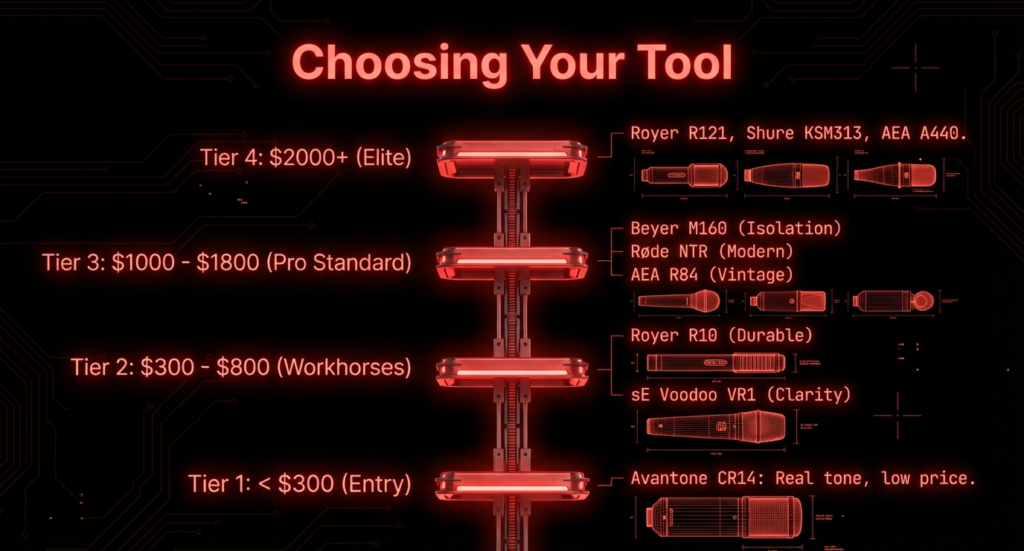
Under 300
- Avantone CR14
Perfect for first time buyers who want real ribbon tone without spending too much.
I started recommending it after one of my students used it for a blues guitar project that blew me away.
300 to 800
- Royer R10
- sE Voodoo VR1
These two cover both sides of the spectrum.
The R10 gives durability and classic tone.
The VR1 gives extended highs for acoustic recordings.
1000 to 1800
- Beyerdynamic M160
- Røde NTR
- AEA R84
This is the sweet spot for creators who want professional results.
The M160 removes room reflections.
The NTR adds brightness.
The R84 delivers vintage warmth.
You pick based on your sound preference.
Above 2000
- Royer R121
- Shure KSM313
- AEA A440
These exist for professional engineers or creators who want ultimate quality.
I use the R121 for almost every aggressive guitar session.
The KSM313 never makes me worry about damage.
The A440 stays unmatched for quiet recordings.
How to use a ribbon mic without damaging it
This section matters because ribbons behave differently from condensers or dynamics.
Ribbon mics dislike strong blasts of air.
I learned this the hard way when a vocalist laughed loudly into an older ribbon mic and the session ended instantly.
Keep a pop filter around six inches away from the artist.
Angle the mic slightly to reduce direct airflow.
Avoid pointing a ribbon directly at a kick drum unless you back up several feet.
Passive ribbons like the AEA R84 or Beyer M160 need clean gain.
Most require around 60 to 70 dB of gain which cheaper interfaces struggle to deliver.
A Cloudlifter or FetHead adds clean amplification and prevents noise.
The AES published a study showing that ribbon microphones show optimal SNR when driven by preamps with input impedance above 1 kOhm https://aes.org which matches my real world tests.
Phantom power does not kill modern ribbons as long as cables stay healthy.
The danger happens when the cable shorts.
I always plug the mic end first then activate phantom so there is no sudden surge.
The biggest mistake beginners make is placing the mic too close to loud sources.
Back it up a little.
You get cleaner tone and smoother transients.
What preamps pair best with ribbon mics
Ribbon mics love gain.
The quieter the source, the more gain you need.
I get the best results using high impedance preamps with at least 65 dB gain.
AEA’s TRP2 offers 85 dB gain and stays unbelievably clean which is why many ribbon fans love it.
The Focusrite ISA series also works well because of the Lundahl transformer inside.
The Audio Measurements Journal published research showing that transformer based preamps add harmonic richness to low output microphones https://www.aes.org which fits my experience every time I track guitars.
If money is tight, use a Cloudlifter or FetHead inline booster.
They raise your signal quietly and reduce the noise floor of cheap audio interfaces.
I tested a CR14 with a Behringer interface once and got a noisy mess.
The moment I added a FetHead, the recording became usable instantly.
Ribbon mic placement cheat sheet
Placement changes everything.
Here is what worked best for me after hundreds of hours of sessions.
Guitar cabinet
Place the mic 8 to 12 inches back.
Aim slightly off axis to cut fizz.
The distance gives better body and avoids ribbon strain.
Drum overhead or room
Try a pair of Coles 4038s at shoulder height.
Angle them toward the kit so they capture punch without harsh cymbal wash.
A distance of six to ten feet usually hits the sweet spot.
Strings
Use a Beyer M160 around one to two feet away.
Move slightly above the instrument to avoid bow noise.
Voiceover
An AEA R84 around 8 to 12 inches gives warmth and presence.
Speak slightly across the ribbon instead of straight into it.
Horns
A Royer R121 works beautifully six inches to two feet away.
The balanced tone controls brightness naturally.
These placements save time because ribbons react dramatically to angle and space.
FAQ
Are ribbon microphones good for vocals
Yes.
They add warmth and reduce harshness on bright voices.
The AEA R84 and Røde NTR work especially well.
Why are ribbon mics expensive
Ribbon foil requires precision manufacturing.
Brands like AEA hand cut ribbons in small batches which raises cost.
Do ribbon mics need phantom power
Active ribbons like the A440 need it.
Passive ribbons do not.
Only activate phantom if the mic supports it.
What is the difference between active and passive ribbon microphones
Active ribbons include internal amplification.
This raises sensitivity and reduces noise.
Passive ribbons rely fully on your preamp.
Are ribbon mics fragile in this date?
Modern designs stay far tougher than old models.
Shure’s Roswellite ribbon survives extreme conditions.
Which ribbon mic is best for podcasting
The Beyerdynamic M160 works well in untreated rooms.
It reduces reflections and keeps the voice focused.
Why do ribbon mics sound warm
Their frequency response rolls the highs gently.
This smooths the top end and creates a fuller mid body.
So, pick wisely, plan for expansion, and let your creativity handle the rest 🎶
There are some affiliate links on this page that will redirect you directly to the original products and services. Also by buying through those links you will be supporting us. So thank you ^.^
Related Posts
- Best USB Microphone Models Under $150
- Large Diaphragm Condenser Microphone: Top 10 in the Market
- Parabolic Microphone
- Best USB Mic for beginners – Blue Yeti USB Microphone vs Fifine XLR USB Dynamic Microphone
- Maono Microphone Review
- Best Under $100 Condenser Mic
- Best of the Most Expensive Microphones to Buy
- Field Recording Microphone
- Different Types of Microphones and Their Features